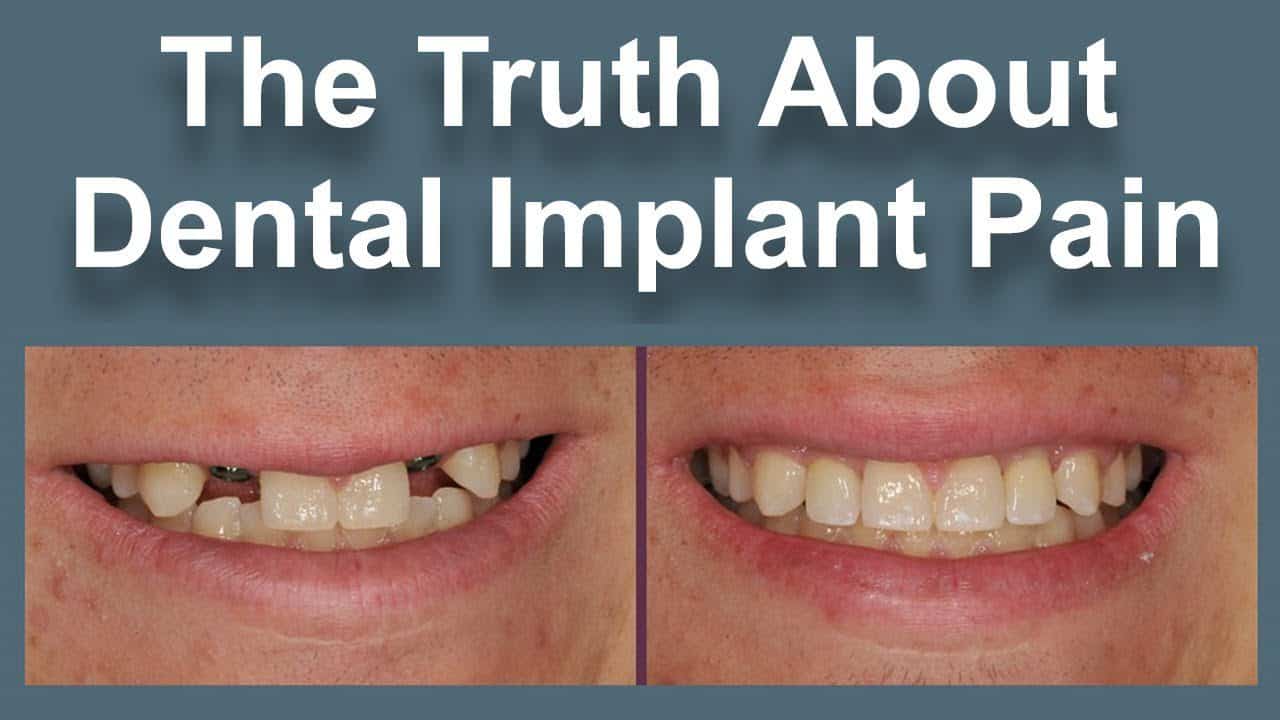
Dental implants have revolutionized restorative dentistry, providing a durable, natural-looking solution for missing teeth. However, a common question that often arises is: are dental implants painful? Understanding the comfort levels associated with dental implant procedures can help patients make informed decisions and alleviate unnecessary anxiety.
Understanding Dental Implants
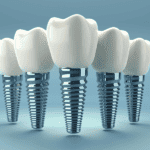
Before delving into the question of pain, it is crucial to understand what dental implants are and the process involved. A dental implant is a titanium post surgically inserted into the jawbone, acting as an artificial tooth root. After osseointegration (the fusion of bone and implant), a crown, bridge, or denture is attached, restoring functionality and appearance. For a detailed guide on how dental implants work, you can visit Wantteeth: How Dental Implants Work.
The Procedure Step by Step
- Initial Consultation: The dentist evaluates oral health, bone density, and suitability for implants. Learn more about the team and clinic at Wantteeth About Us.
- Pre-Surgical Planning: X-rays, 3D imaging, and sometimes CT scans are used to map out precise implant placement.
- Surgical Placement: Under local anesthesia, the implant is inserted into the jawbone. Details about the surgery itself are available at Dental Implant Surgery.
- Healing Phase: Osseointegration takes 3-6 months depending on individual healing capacity.
- Abutment Placement: A connector is attached to the implant to support the crown.
- Crown Placement: The final restoration is fitted, completing the procedure. Explore different implant types at Types of Dental Implants.
Do Dental Implants Hurt During the Procedure?
Many patients fear the surgical aspect, imagining intense pain. In reality, most patients experience minimal discomfort during the procedure because local anesthesia numbs the area completely. Some dentists may also use sedation options for nervous patients, such as oral sedation, nitrous oxide, or intravenous sedation. If you’re worried about pain, read this guide on dental implant discomfort for reassurance and tips.
Factors Affecting Pain During Surgery
- Extent of Surgery: Single implants are typically less invasive, while multiple implants or bone grafting may increase discomfort.
- Patient Anxiety Levels: High stress can heighten sensitivity to pain, making sedation helpful.
- Surgeon’s Skill: Experienced implant dentists often perform procedures faster and more smoothly, reducing trauma.
Post-Operative Discomfort: What to Expect
After the anesthesia wears off, it is normal to experience mild to moderate discomfort. Common symptoms include soreness at the implant site, swelling of the gums, minor bruising, or temporary bleeding. These symptoms are typically strongest in the first 48-72 hours and gradually diminish over a week. Your dentist may prescribe pain relievers or recommend over-the-counter options to manage discomfort effectively. More on recovery and care is detailed at Dental Implants Procedure, Cost, and Recovery Explained.
Managing Pain and Promoting Healing
Proper post-operative care is essential for comfort and successful healing. Steps include following your dentist’s instructions, maintaining oral hygiene, using cold compresses, eating soft foods, avoiding smoking and alcohol, and taking prescribed medication. Following these guidelines ensures a smooth recovery and minimal discomfort.
Long-Term Comfort After Healing
Once healing is complete, dental implants should feel completely natural, with minimal to no discomfort. Unlike dentures, implants are anchored into the bone, preventing slipping or irritation. Long-term discomfort is rare but can occur due to improper placement, infection, or excessive force. Regular check-ups and maintaining oral hygiene prevent most complications.
Common Misconceptions About Dental Implant Pain
Many myths exist about implant pain:
- “It’s extremely painful”: Modern techniques and anesthesia minimize pain.
- “Recovery takes months of suffering”: Discomfort is usually mild and short-term.
- “Only young people heal well”: Patients of all ages can heal successfully with proper care.
Alternatives for Pain-Sensitive Patients
For patients concerned about discomfort, options include sedation, laser-assisted surgery, mini implants, or temporary dentures during healing. For a detailed look at how dental implants compare to dentures, see Dental Implants vs Dentures.
Signs You Should Contact Your Dentist
While mild pain is normal, contact your dentist if you experience severe pain, persistent swelling, implant mobility, or excessive bleeding. Early intervention ensures the implant remains successful and comfortable.
Final Thoughts
So, are dental implants painful? The answer depends on perspective, technique, and post-operative care. Modern procedures are designed to minimize discomfort, and most patients report only mild, short-term pain. By understanding what to expect, following instructions, and maintaining oral hygiene, dental implants provide a long-term, comfortable, and natural solution for tooth loss.
For more information or to schedule a consultation, visit Wantteeth Appointment Page.
© 2026 Dental Health Insights. All Rights Reserved