
Dental implants provide a reliable and long-lasting solution for missing teeth. One of the most critical decisions involves timing: should a dentist place an implant immediately after tooth extraction, or is it better to wait? Understanding the differences between immediate and delayed implant placement helps patients make informed decisions and ensures optimal outcomes.
Understanding Dental Implants
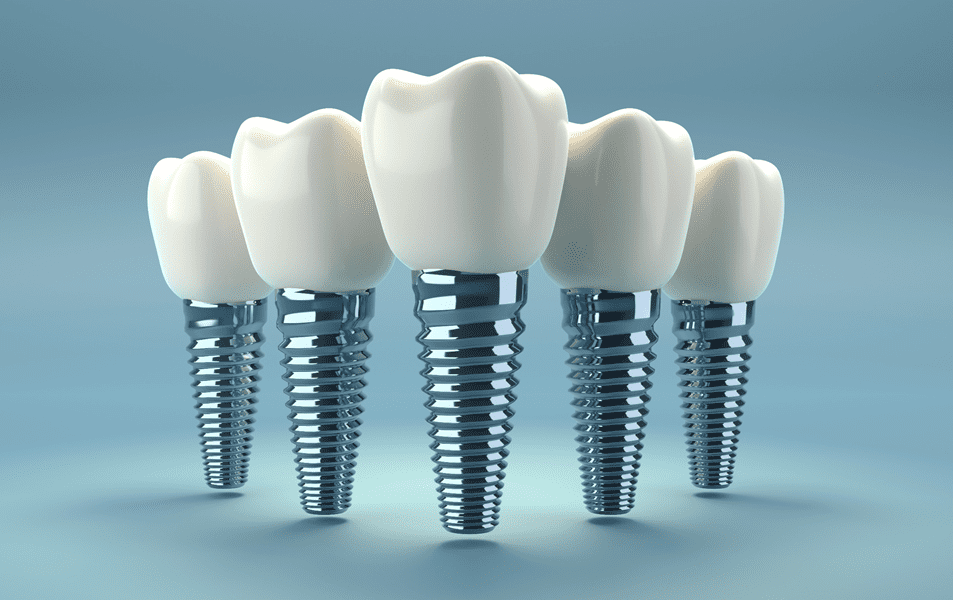
A dental implant consists of a titanium post surgically inserted into the jawbone to replace a missing tooth root. After placement, the implant integrates with the bone through a process called osseointegration. Once stable, dentists attach a crown, bridge, or denture to restore function and aesthetics. Implants provide superior durability, prevent bone loss, and maintain facial structure compared to traditional dentures or bridges. Learn more about how dental implants work here.
Immediate Dental Implants
Immediate dental implants, also called post-extraction implants, involve placing the implant immediately after tooth removal. This approach reduces treatment time and can offer psychological benefits by minimizing the period without teeth.
Advantages of Immediate Implants
- Reduced Treatment Time: Immediate placement eliminates the waiting period, allowing patients to complete the procedure faster.
- Preserves Bone Structure: Placing an implant immediately helps maintain the natural shape of the jawbone and prevents bone resorption.
- Maintains Soft Tissue Contours: Immediate placement supports gum tissues and prevents aesthetic compromises around the extraction site.
- Psychological Benefit: Patients experience less stress since they do not face a prolonged period without a tooth.
Risks and Considerations
While immediate implants offer many benefits, they carry certain risks that dentists must evaluate:
- Infection Risk: If the extraction site contains infection, placing an implant immediately may increase failure risk.
- Bone Quality and Quantity: Insufficient bone can compromise implant stability and integration.
- Higher Skill Requirement: Immediate implant placement requires advanced surgical expertise to ensure correct positioning and stability.
- Potential for Higher Failure Rates: Studies suggest that immediate implants may have slightly higher failure rates in certain high-risk cases compared to delayed placement.
Delayed Dental Implants
Delayed dental implants involve waiting several weeks to months after tooth extraction before placing the implant. This approach allows the extraction site to heal and ensures a more predictable surgical outcome.
Advantages of Delayed Implants
- Improved Healing: The extraction site heals naturally, reducing inflammation and infection risk.
- Better Bone Assessment: Dentists can evaluate bone quality and volume more accurately before implant placement.
- Higher Success Rate: Delayed implants tend to integrate more predictably in healed bone, especially in cases with compromised bone quality.
- Flexibility in Treatment Planning: Delayed placement allows dentists to consider bone grafting or sinus lift procedures if necessary, ensuring a better long-term outcome. Discover more about the surgical process here.
Disadvantages of Delayed Implants
- Longer Treatment Time: Patients must wait months between extraction and implant placement, which can be inconvenient.
- Bone Resorption Risk: Waiting for healing may result in some bone loss, potentially requiring additional procedures.
- Temporary Tooth Replacement: Patients may need temporary dentures or bridges during the healing period.
Factors Influencing Timing Decisions
Choosing between immediate and delayed dental implants depends on several clinical and patient-specific factors:
1. Bone Quality and Quantity
Healthy bone ensures implant stability. If the jawbone shows adequate density and volume, immediate implants may work. Weak or insufficient bone often necessitates delayed placement or bone grafting. Explore the best implant options for missing teeth here.
2. Presence of Infection
Active infection at the extraction site increases the risk of implant failure. Dentists typically delay implant placement until infection resolves and tissue heals properly.
3. Gum and Soft Tissue Health
Strong, healthy gum tissue improves healing and implant aesthetics. In cases with significant gum recession or damage, delaying the implant allows for soft tissue management before placement.
4. Patient Health and Lifestyle
Systemic conditions such as uncontrolled diabetes, smoking, or medications affecting bone metabolism may influence timing. Dentists may recommend delayed implants to ensure optimal healing and reduce complications. Learn who qualifies for implants here.
5. Aesthetic Considerations
Front teeth require careful aesthetic planning. Immediate implants can preserve gum contours and smile aesthetics, while delayed placement may require additional tissue grafting to achieve similar results.
Immediate vs Delayed Implants: Clinical Scenarios
Understanding typical clinical situations helps illustrate when each approach works best:
Scenario 1: Healthy Patient, Strong Bone
A patient with no infection, healthy bone, and strong gum tissue may benefit from immediate implant placement. The procedure preserves tissue, reduces treatment time, and achieves excellent aesthetic outcomes.
Scenario 2: Infection or Periodontal Disease
Patients with infection or periodontal disease require site healing first. Delaying the implant reduces risk, ensures proper tissue recovery, and improves long-term success.
Scenario 3: Insufficient Bone Volume
Patients with significant bone loss may need grafting or sinus lift procedures. Delayed implants allow the bone to heal and integrate the graft before placing the implant.
Scenario 4: Cosmetic Concerns in the Front Teeth
Immediate implants may better preserve gum contours in highly visible areas. Dentists often combine immediate placement with temporary crowns to maintain smile aesthetics.
Steps for Successful Implant Placement
Regardless of timing, dentists follow systematic steps to ensure implant success:
- Comprehensive Evaluation: Examine oral health, bone quality, gum health, and patient medical history.
- Imaging: Use X-rays or 3D CT scans to assess bone volume and identify anatomical structures.
- Extraction Planning: For immediate implants, perform atraumatic tooth removal to preserve bone.
- Implant Placement: Insert the implant with precise angulation and depth for optimal osseointegration.
- Healing Period: Allow time for the bone to integrate with the implant (3–6 months for delayed placement).
- Restoration: Attach a crown, bridge, or denture once the implant achieves stability. Check out the full implant procedure and recovery details here.
- Follow-Up: Monitor healing, oral hygiene, and implant integrity through regular check-ups.
Patient Considerations
Patients play an active role in implant success. Following dentist instructions, maintaining oral hygiene, and avoiding smoking or excessive pressure on the implant significantly impact outcomes. Patients should discuss lifestyle habits, aesthetic goals, and treatment preferences when deciding on implant timing. Schedule a consultation with expert dentists here.
Conclusion
Dental implants provide a durable and functional solution for missing teeth, but timing affects success, aesthetics, and patient satisfaction. Immediate implants offer shorter treatment time and tissue preservation, ideal for healthy patients with strong bone. Delayed implants provide higher predictability, especially in cases with infection, bone deficiency, or systemic health concerns.
Ultimately, dentists make the final recommendation based on clinical assessment, patient health, and cosmetic needs. Informed decisions, skilled surgical execution, and proper post-operative care ensure that both immediate and delayed implants deliver long-term success and restore confident smiles.
