
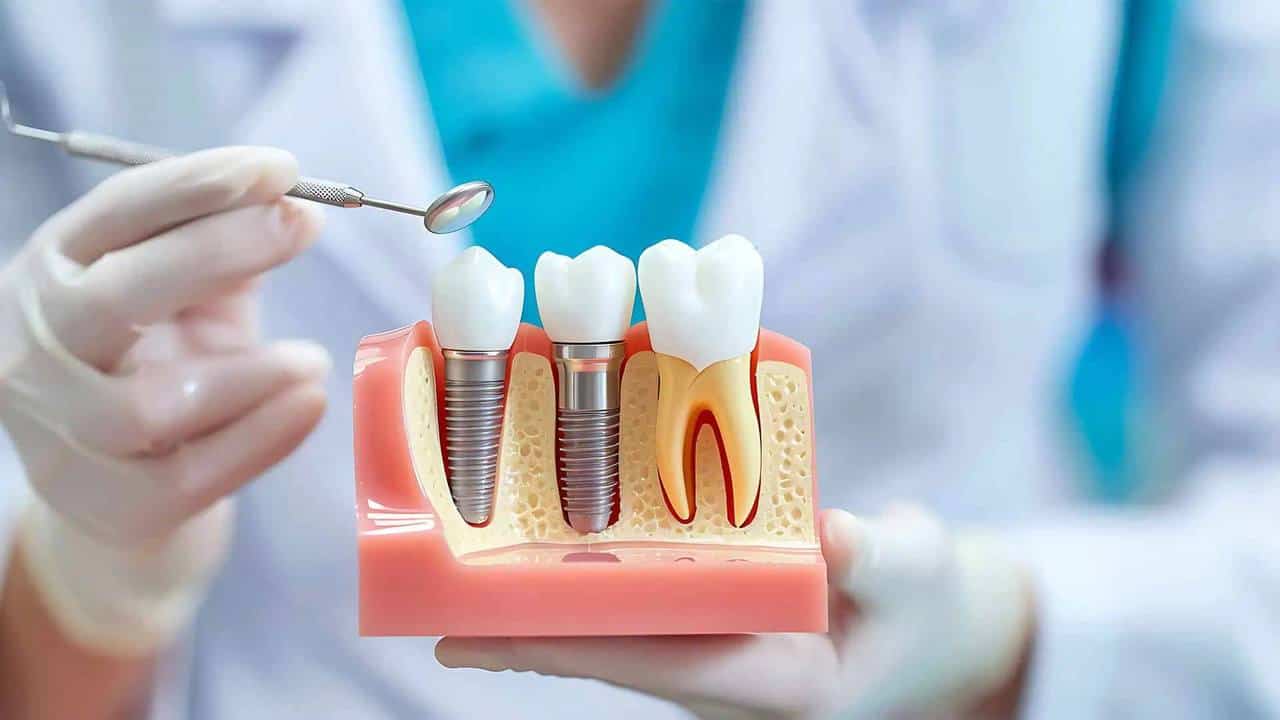
Understanding Dental Implants
Dental implants are widely considered the gold standard for replacing missing teeth. Unlike dentures or bridges, implants replace both the tooth and its root, providing stability, durability, and a natural appearance. A small titanium post is surgically placed into the jawbone, where it fuses over time with the bone in a process called osseointegration. Once integrated, a crown, bridge, or denture is attached, creating a secure and permanent solution. The best implant option for a patient depends on the number of missing teeth, bone density, budget, and personal preferences, making it important to understand the different types available.
Single-Tooth Implants
For patients missing just one tooth, a single-tooth implant is often the ideal solution. This involves placing one titanium post into the jawbone, followed by an abutment and a custom crown. The crown is designed to match the color, shape, and size of surrounding teeth, creating a seamless, natural-looking smile. Single-tooth implants protect neighboring teeth because, unlike traditional bridges, they do not require altering adjacent healthy teeth. They also help preserve jawbone density by stimulating the bone, which prevents the sunken appearance that can occur after tooth loss. This option is highly durable and can last decades with proper care, making it a long-term investment in both aesthetics and function.
Multiple Implants for Adjacent Teeth
Patients who have lost several teeth in a row may benefit from multiple implants placed side by side. Each implant supports an individual crown, restoring full chewing function and a natural appearance. This option is particularly useful when missing teeth are spaced closely together, as it provides stability and maintains the alignment of surrounding teeth. Multiple implants also prevent the bone loss that occurs when teeth are missing, ensuring that the jaw maintains its strength and shape over time. For patients who want permanent, long-lasting solutions for several missing teeth, this approach is highly effective.
Implant-Supported Bridges
When three or more teeth in a row are missing, an implant-supported bridge can be a practical and efficient option. Unlike traditional bridges, which rely on neighboring teeth for support, an implant-supported bridge is anchored to implants placed at each end of the gap. This eliminates the need to alter healthy teeth and provides a stable, durable solution that feels like natural teeth. Implant-supported bridges restore chewing power, prevent shifting of adjacent teeth, and preserve the jawbone in the area of the missing teeth. They also provide an aesthetic solution, as crowns in the bridge are customized to blend seamlessly with the rest of the smile.
Full-Arch Implant Solutions
For patients missing all teeth in an upper or lower arch—or even both—full-arch implant solutions are available. This includes options like implant-supported dentures or the “All-on-4” procedure, where four strategically placed implants support a full set of prosthetic teeth. Full-arch implants offer stability, function, and aesthetics far superior to traditional dentures. They eliminate issues like slipping, gagging, or difficulty chewing and speaking, while also stimulating the jawbone to prevent bone loss. This solution provides a permanent, life-changing option for patients who may have struggled with dentures for years, offering comfort and confidence that dentures alone cannot match.
Mini Dental Implants
Mini dental implants are smaller in diameter than traditional implants, making them a viable option for patients with reduced jawbone density or limited space. They can be used to stabilize dentures or replace single teeth in areas where traditional implants are not feasible. While mini implants are generally less expensive and require less invasive surgery, they may not be suitable for all situations, especially for patients needing multiple tooth replacements or full-mouth restorations. Nonetheless, they provide a practical alternative for certain cases, particularly when patients want to avoid bone grafting procedures.
Zygomatic Implants for Severe Bone Loss
In cases where patients have experienced significant bone loss in the upper jaw, traditional implants may not be possible without extensive grafting. Zygomatic implants offer a solution by anchoring into the cheekbone rather than the jawbone. These longer implants bypass areas of insufficient bone, providing stability for full-arch restorations. Zygomatic implants are ideal for patients who want permanent solutions without undergoing extensive bone grafting procedures, though they require specialized surgical expertise. This advanced technique allows patients with severe bone loss to regain function, aesthetics, and confidence that would otherwise be difficult to achieve.
Factors to Consider When Choosing an Implant Option
Selecting the best dental implant option depends on several factors. First, the number and location of missing teeth determine whether a single implant, multiple implants, or full-arch solutions are needed. Bone density and quality influence whether traditional, mini, or zygomatic implants are appropriate. Budget is another important consideration, as some options, like full-arch implants, have higher upfront costs but provide long-term value. Patient lifestyle, oral hygiene habits, and personal preferences also play a role. A qualified dentist or oral surgeon will evaluate these factors during a consultation to recommend the most suitable implant solution for each patient.
Cost Considerations
Dental implants are generally more expensive upfront than dentures or bridges, but they offer long-term benefits that make them cost-effective over time. Single-tooth implants are typically the most affordable per unit, while full-arch implant solutions represent a larger investment. Implant-supported bridges and multiple implants fall somewhere in between. Additional procedures, like bone grafts or sinus lifts, may add to the cost. However, the durability, stability, and minimal maintenance of implants often offset these expenses, making them a wise long-term investment in oral health, function, and aesthetics.
Recovery and Maintenance
Recovery after dental implant surgery is generally straightforward. Patients may experience mild swelling or discomfort in the first few days, which can be managed with pain medication and proper care. Healing takes several months as the implant fuses with the jawbone. During this time, following post-operative instructions, maintaining oral hygiene, and attending follow-up appointments are crucial for success. Once fully healed, dental implants require the same care as natural teeth—regular brushing, flossing, and dental checkups. With proper maintenance, implants can last decades, providing a permanent solution for missing teeth.
The Benefits of Choosing Implants
Regardless of the type, dental implants offer benefits that other tooth replacement options cannot match. They restore full function for eating and speaking, prevent bone loss, protect surrounding teeth, and improve overall oral health. Implants also provide aesthetic advantages, creating natural-looking, confident smiles. Unlike dentures, implants are fixed and require no adhesives or removal, while unlike bridges, they do not compromise neighboring teeth. These advantages make implants a superior option for patients seeking a long-lasting, life-changing solution.
Final Thoughts
Dental implants are versatile, durable, and highly effective solutions for missing teeth, whether you need a single tooth replacement, multiple teeth, or a full-arch restoration. With options ranging from single-tooth implants to zygomatic implants for severe bone loss, there is a solution for nearly every patient. Understanding the types of implants, the benefits, cost considerations, and recovery process can help patients make informed decisions and achieve optimal oral health and aesthetics. Choosing the right implant option with the guidance of a qualified dental professional ensures a healthy, functional, and beautiful smile for years to come.