
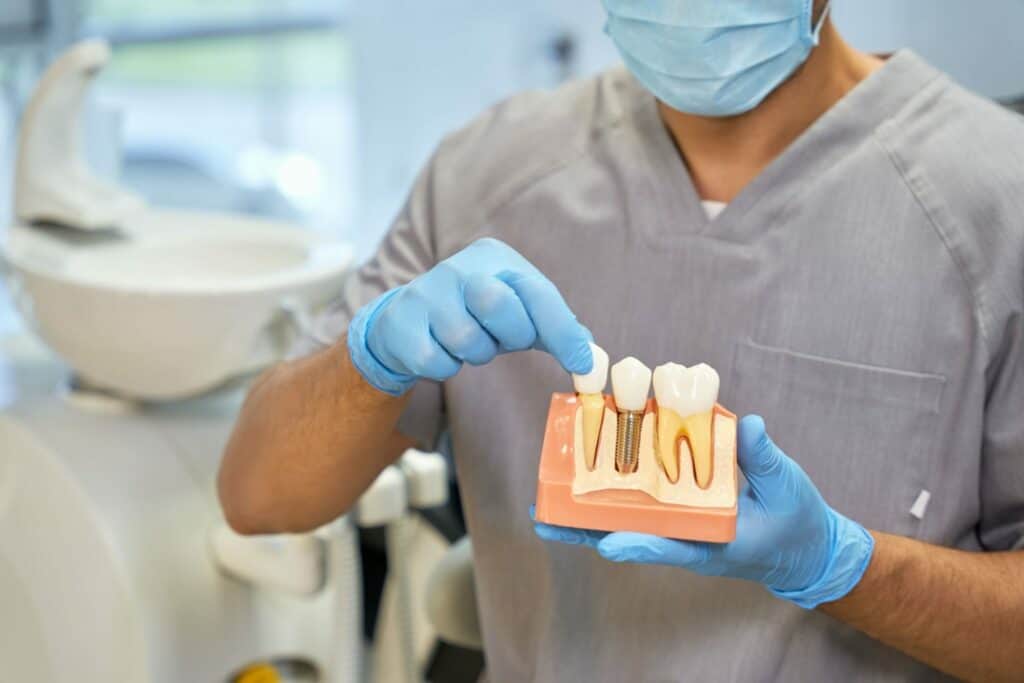
Dental implant surgery is a highly effective and commonly performed procedure used to replace missing teeth. While the idea of surgery can sound intimidating, modern dental implant treatment is safe, precise, and carefully planned to ensure patient comfort and long-term success.
Understanding what happens during dental implant surgery can help reduce anxiety and allow you to feel confident and prepared. This article explains each stage of the process, from preparation to recovery, so you know exactly what to expect.
Understanding Dental Implant Surgery
Dental implant surgery involves placing a small titanium post into the jawbone to act as an artificial tooth root. This implant later supports a crown, bridge, or denture, restoring both function and appearance.
Titanium is used because it is biocompatible, meaning the body accepts it naturally. Over time, the implant bonds with the jawbone, creating a stable and long-lasting foundation for replacement teeth.
Before the Surgery: Preparation and Planning
Dental implant surgery does not begin on the day of the procedure. Careful planning is essential for success.
Initial Consultation and Examination
Before surgery, your dentist will carry out a comprehensive examination, which includes:
- Reviewing your medical and dental history
- Examining your teeth and gums
- Taking digital X-rays or 3D scans
- Assessing jawbone quality and quantity
This information helps determine whether dental implants are suitable for you and how the surgery should be performed.
Personalised Treatment Plan
Every patient’s mouth is different, so implant surgery is customised. Your treatment plan will outline:
- The number of implants required
- Exact implant placement locations
- Whether additional procedures are needed
- The estimated timeline
This planning ensures the surgery is safe, accurate, and predictable.
Preparatory Procedures (If Needed)
Some patients may need additional treatments before implant surgery, such as:
- Tooth extractions
- Bone grafting
- Sinus lift procedures
These treatments help create a strong foundation for the implant and may require healing time before surgery can proceed.
What Happens on the Day of Dental Implant Surgery?
On the day of surgery, everything is carefully prepared to ensure comfort and precision.
Anaesthesia and Comfort
Dental implant surgery is typically performed under local anaesthesia. This numbs the treatment area completely, so you should not feel pain during the procedure.
For anxious patients, sedation options may also be available, helping you feel calm and relaxed throughout the surgery.
Preparing the Surgical Area
Once the anaesthetic has taken effect, the dentist cleans and sterilises the area. A small incision is made in the gum to expose the jawbone where the implant will be placed.
Modern techniques and advanced equipment allow the dentist to work with great accuracy while minimising tissue disruption.
Step-by-Step: Dental Implant Surgery Procedure
Step 1: Creating Space in the Jawbone
A small, precise hole is created in the jawbone using specialised dental instruments. This space is carefully measured to ensure the implant fits securely and aligns correctly with surrounding teeth.
This step is performed slowly and carefully to protect bone tissue and ensure optimal placement.
Step 2: Placing the Dental Implant
The titanium implant is gently inserted into the prepared space in the jawbone. Once positioned correctly, it acts as an artificial tooth root.
The implant must be stable and properly aligned to support the final restoration and withstand chewing forces.
Step 3: Closing the Gum Tissue
After the implant is placed, the gum tissue is repositioned and closed with small stitches. In some cases, the implant is fully covered by the gum during healing. In others, a small healing cap may be placed on top.
The approach depends on the individual treatment plan and clinical needs.
How Long Does Dental Implant Surgery Take?
The length of dental implant surgery depends on several factors, including:
- Number of implants being placed
- Complexity of the case
- Whether additional procedures are performed
For a single implant, the surgery typically takes 30 to 60 minutes. Multiple implants or more complex cases may take longer.
What Does Dental Implant Surgery Feel Like?
During the procedure, patients usually feel pressure and vibration but no pain due to the anaesthetic. After the surgery, mild discomfort, swelling, or tenderness is normal.
Most patients report that implant surgery is less uncomfortable than expected and comparable to having a tooth removed.
After Dental Implant Surgery: Immediate Recovery
Right After the Procedure
After surgery, you will be given instructions to support healing. Common post-surgery experiences include:
- Mild swelling
- Minor bleeding
- Slight discomfort
These symptoms typically improve within a few days.
Pain Management
Any discomfort is usually manageable with prescribed or over-the-counter pain relief. Applying cold compresses can also help reduce swelling.
Following your dentist’s instructions closely is important for a smooth recovery.
The Healing Process: Osseointegration
One of the most important stages after surgery is osseointegration. This is the process where the jawbone gradually bonds with the implant.
Over several weeks to months, the bone grows around the implant, anchoring it firmly in place. This step is critical for long-term stability and success.
During this time, patients can usually return to normal routines while avoiding excessive pressure on the implant site.
Temporary Teeth During Healing
If the implant is placed in a visible area, a temporary tooth may be provided while healing takes place. This maintains appearance and function until the final restoration is ready.
Temporary restorations are designed to protect the implant while still allowing normal daily activities.
Follow-Up Appointments
Regular follow-up visits are scheduled after surgery to monitor healing. During these visits, the dentist will:
- Check the surgical site
- Ensure proper healing
- Remove stitches if necessary
- Address any concerns
These appointments help ensure the implant is integrating correctly.
What Happens After Healing Is Complete?
Once osseointegration is complete, the next stage begins.
Abutment Placement
An abutment is attached to the implant. This small connector allows the final crown or prosthetic tooth to be secured in place.
In some cases, the abutment is placed during the original surgery. In others, a small procedure is required to expose the implant.
Final Crown Placement
Impressions are taken to create a custom-made crown that matches your natural teeth. Once ready, the crown is securely fitted onto the abutment.
The result is a replacement tooth that looks, feels, and functions like a natural one.
Is Dental Implant Surgery Safe?
Dental implant surgery is considered very safe and has a high success rate when performed by trained professionals. Advances in technology, materials, and planning have made implant procedures more predictable than ever.
Complications are rare, especially when patients follow aftercare instructions and maintain good oral hygiene.
Who Might Need Extra Care?
Certain factors may require additional planning or healing time, including:
- Smoking
- Diabetes
- Gum disease
- Reduced bone density
These factors do not automatically rule out implants but may require tailored care.
How Long Do Dental Implants Last After Surgery?
With proper care, dental implants can last 20 years or more, often for a lifetime. Maintaining good oral hygiene, attending regular dental check-ups, and avoiding harmful habits help protect your investment.
Final Thoughts
Dental implant surgery is a carefully planned, step-by-step procedure designed to restore missing teeth safely and effectively. Knowing what happens during the surgery can make the experience far less intimidating and help you feel confident in your decision.
From preparation to placement and healing, every stage plays an important role in achieving a strong, natural-looking smile. If you are considering dental implants, a professional consultation is the first step toward long-term oral health and renewed confidence.