
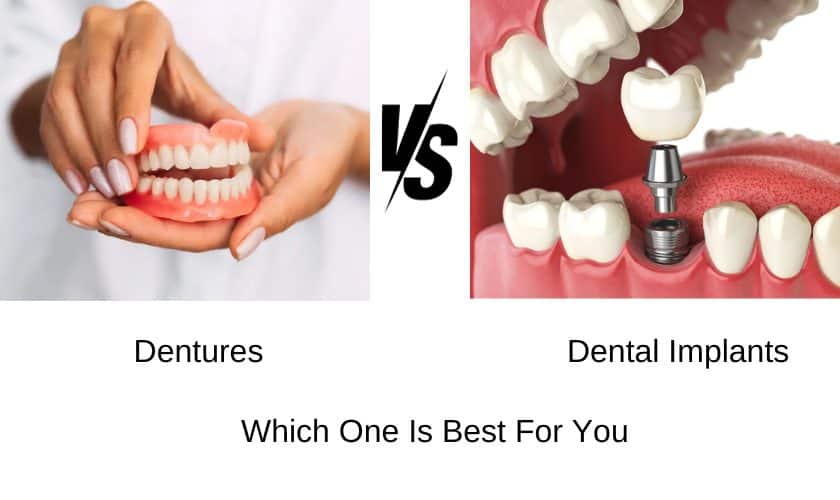
When it comes to replacing missing teeth, two of the most common solutions are dental implants and dentures. Both options aim to restore your smile, improve chewing ability, and enhance confidence, but they differ significantly in how they function, feel, and affect long-term oral health. Choosing between dental implants and dentures is an important decision that depends on lifestyle, oral condition, budget, and long-term expectations.
Understanding the key differences between dental implants and dentures can help you make an informed choice that suits your needs. This article provides a clear, in-depth comparison of both options, covering comfort, durability, appearance, maintenance, cost considerations, and long-term benefits.
Understanding Dental Implants
Dental implants are a modern and highly effective solution for replacing missing teeth. They consist of a titanium post that is surgically placed into the jawbone, acting as an artificial tooth root. Over time, the implant bonds with the surrounding bone through a process called osseointegration. Once healing is complete, a crown, bridge, or denture is securely attached to the implant, creating a stable and natural-looking tooth replacement.
Because dental implants integrate directly with the jawbone, they closely mimic the structure and function of natural teeth. They are fixed in place, meaning they do not move or slip while eating or speaking. This stability is one of the main reasons many patients prefer implants over removable options.
Understanding Dentures
Dentures are removable appliances designed to replace missing teeth and surrounding gum tissue. They can be full dentures, which replace all teeth in the upper or lower jaw, or partial dentures, which replace several missing teeth while attaching to remaining natural teeth for support.
Dentures rest on the gums and, in some cases, rely on adhesives or clasps to stay in place. While modern dentures are more comfortable and natural-looking than older versions, they still function differently from natural teeth and implants. Dentures are often chosen because they are non-surgical and generally more affordable upfront.
Stability and Comfort
One of the most noticeable differences between dental implants and dentures is stability. Dental implants are firmly anchored into the jawbone, providing exceptional stability. This means patients can eat, speak, laugh, and smile with confidence, without worrying about movement or discomfort. Implants feel very similar to natural teeth, making them easy to adapt to.
Dentures, on the other hand, rely on the gums and underlying bone for support. Over time, bone loss can occur, causing dentures to feel loose or uncomfortable. Many denture wearers experience movement while eating or speaking, which can affect confidence and comfort. Denture adhesives can help, but they do not fully eliminate the issue.
Appearance and Natural Feel
Dental implants are designed to closely match the appearance of natural teeth. The crowns are custom-made to blend seamlessly with the surrounding teeth in colour, shape, and size. Because implants emerge from the gum like natural teeth, they provide a highly realistic appearance and help maintain natural facial contours.
Dentures have improved significantly in appearance, but they may still look less natural compared to implants, especially over time. As the jawbone shrinks, dentures may no longer fit as well, potentially affecting facial shape and causing a sunken appearance around the mouth. This is particularly common with long-term denture use.
Chewing Ability and Speech
Dental implants restore nearly full chewing strength, allowing patients to eat a wide range of foods comfortably, including tougher and crunchier items. Because implants are stable, there is no need to avoid certain foods or worry about discomfort while chewing.
Dentures can limit chewing efficiency, especially with harder or stickier foods. Some denture wearers avoid certain foods altogether due to discomfort or fear of movement. Speech can also be affected by dentures, particularly in the early stages, as the tongue and muscles adjust to the appliance.
Impact on Jawbone Health
One of the most significant differences between dental implants and dentures is their impact on jawbone health. Dental implants stimulate the jawbone in a similar way to natural tooth roots. This stimulation helps maintain bone density and prevents the bone loss that typically occurs after tooth loss.
Dentures do not stimulate the jawbone. Over time, the lack of stimulation leads to bone resorption, causing the jawbone to shrink. This bone loss can result in changes to facial structure, reduced support for dentures, and the need for frequent adjustments or replacements.
Longevity and Durability
Dental implants are designed to be a long-term solution. With proper oral hygiene and regular dental check-ups, implants can last decades or even a lifetime. While the crown may need replacement after many years due to normal wear, the implant itself is extremely durable.
Dentures typically have a shorter lifespan. They may need to be replaced every five to ten years due to wear, changes in jaw shape, or damage. Over time, repeated adjustments and replacements can add to the overall cost and inconvenience of dentures.
Maintenance and Daily Care
Caring for dental implants is very similar to caring for natural teeth. Daily brushing, flossing, and routine dental visits are usually sufficient to maintain implant health. There is no need for special cleaning solutions or removal at night.
Dentures require more involved daily care. They must be removed for cleaning, soaked overnight, and handled carefully to avoid damage. Denture wearers must also clean their gums and remaining teeth thoroughly. Improper denture care can lead to irritation, infections, and unpleasant odours.
Surgical vs Non-Surgical Treatment
Dental implants require a surgical procedure to place the implant into the jawbone. While this may sound daunting, modern implant surgery is safe, precise, and typically performed under local anaesthesia. Most patients experience minimal discomfort and recover quickly.
Dentures do not require surgery, making them appealing to patients who prefer a non-invasive option or are not suitable candidates for surgery. However, avoiding surgery may come with trade-offs in comfort, stability, and long-term oral health.
Treatment Time
Dental implant treatment usually takes several months from start to finish. This includes consultation, implant placement, healing time, and final restoration. Although the process takes longer, the result is a permanent and highly functional solution.
Dentures can often be made and fitted within a shorter time frame, sometimes within weeks. This makes them a faster solution for replacing missing teeth, particularly for patients who need immediate results.
Cost Considerations
Cost is often a major factor when choosing between dental implants and dentures. Dentures generally have a lower upfront cost, making them more accessible for many patients initially. However, ongoing costs for adjustments, replacements, adhesives, and maintenance should be considered.
Dental implants typically involve a higher initial investment, but they offer long-term value due to their durability and minimal maintenance needs. When viewed over many years, implants can be more cost-effective than repeatedly replacing dentures.
Suitability and Candidacy
Dental implants are suitable for many adults with good overall health, healthy gums, and sufficient jawbone density. Even patients with bone loss may still qualify with additional treatments such as bone grafting. A thorough dental assessment is essential to determine suitability.
Dentures are suitable for a wide range of patients, including those with significant bone loss or medical conditions that make surgery unsuitable. They provide a practical solution when implants are not an option.
Effect on Confidence and Quality of Life
Dental implants often have a positive impact on confidence and quality of life. Because they feel secure and natural, many patients forget they even have implants. This confidence extends to social interactions, eating in public, and smiling freely.
Dentures can restore appearance and function, but some wearers may feel self-conscious about movement, speech changes, or removing dentures for cleaning. These concerns can affect confidence for some individuals.
Long-Term Oral Health Benefits
Dental implants support overall oral health by preserving jawbone density, maintaining facial structure, and preventing neighbouring teeth from shifting. They function independently and do not rely on adjacent teeth for support.
Dentures do not prevent bone loss and may contribute to changes in oral anatomy over time. Partial dentures can place stress on remaining natural teeth, potentially affecting their longevity.
Which Option Is Right for You?
The choice between dental implants and dentures depends on your personal circumstances, including oral health, lifestyle, budget, and long-term goals. Patients seeking a permanent, stable, and natural-feeling solution often prefer dental implants. Those looking for a quicker, non-surgical, or more affordable option may choose dentures.
A professional dental consultation is the best way to determine which option is most suitable. Your dentist can assess your oral condition, explain available treatments, and help you make a confident decision.
Final Thoughts
Dental implants and dentures both offer effective ways to replace missing teeth, but they differ significantly in comfort, function, longevity, and impact on oral health. Dental implants provide a fixed, long-term solution that closely mimics natural teeth, while dentures offer a removable and non-surgical alternative.
Understanding these key differences allows you to choose the option that best aligns with your needs and expectations. With the right treatment, you can restore your smile, improve oral function, and enjoy a better quality of life for years to come.