
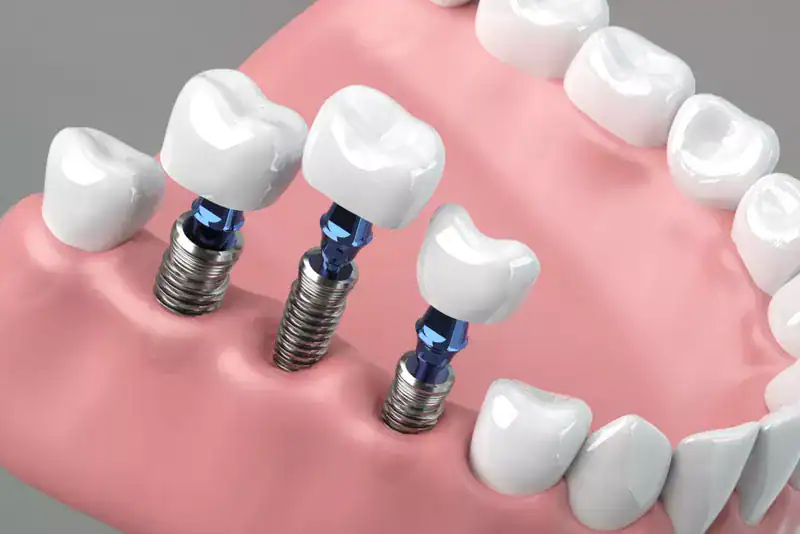
Missing teeth can significantly impact your oral health, appearance, and confidence. Fortunately, modern dentistry offers highly effective solutions in the form of dental implants, which mimic the function and appearance of natural teeth. However, not all dental implant treatments are the same. Depending on the number of missing teeth, patients may require single tooth implants or multiple tooth implants. Understanding the differences between these options, how they work, and which is most suitable for your situation is essential for making an informed decision about your dental care.
Dental implants are considered one of the most durable and natural-looking tooth replacement options. They involve placing a titanium post into the jawbone, which acts as an artificial tooth root. Over time, the implant fuses with the bone through a process called osseointegration, providing a stable foundation for crowns, bridges, or dentures. While the underlying principle is the same, the treatment approach differs depending on whether you are replacing one tooth or several teeth.
What Are Single Tooth Dental Implants?
A single-tooth dental implant is designed to replace one missing tooth. The implant consists of a titanium post surgically placed into the jawbone, topped with a crown that is custom-made to match the surrounding teeth in shape, size, and colour. This approach is ideal for patients who have lost a single tooth due to decay, trauma, or other reasons.
Single tooth implants are popular because they preserve the integrity of surrounding teeth. Unlike traditional bridges, which require adjacent teeth to be filed down for support, a single implant stands independently. This reduces the risk of damage to healthy teeth and helps maintain overall oral structure. Additionally, a single implant helps stimulate the jawbone, preventing bone loss that often occurs after tooth loss.
From a functional perspective, single tooth implants restore full biting and chewing capability. They also provide a natural appearance that blends seamlessly with your existing teeth. Patients often report feeling more confident smiling and speaking, as single implants look and function like natural teeth.
What Are Multiple Tooth Dental Implants?
Multiple-tooth dental implants are used to replace two or more missing teeth. The approach may vary depending on the number of teeth missing and their location. In some cases, individual implants may be placed for each missing tooth, while in other situations, a dental bridge supported by implants is used. This approach reduces the number of implants required while providing a stable and durable replacement for multiple teeth.
Multiple tooth implants are particularly useful for patients who have lost several adjacent teeth. They help restore normal oral function, prevent neighboring teeth from shifting, and maintain facial structure. Unlike removable dentures, multiple tooth implants are fixed in place, offering superior stability and comfort. Patients can eat, speak, and smile without worrying about movement or discomfort.
For patients with significant tooth loss, implant-supported bridges or full-arch restorations may be recommended. These options allow the replacement of multiple teeth with fewer implants while maintaining strength and aesthetics. Advanced techniques, such as the All-on-4 system, enable the replacement of an entire arch of teeth using just four strategically placed implants, reducing surgery time and recovery periods.
Key Differences Between Single and Multiple Tooth Implants
While both single and multiple tooth implants involve similar surgical procedures, there are several important differences in planning, treatment, and outcomes.
Number of Implants Required
The most obvious difference is the number of implants. A single missing tooth requires one implant, while multiple teeth may require several implants, depending on whether a bridge or individual implants are used. Using fewer implants for multiple teeth may reduce treatment time and cost while still providing stability.
Complexity of Treatment
Multiple tooth implants are generally more complex than single tooth implants. They may involve additional planning, advanced imaging, and precise alignment to ensure even distribution of chewing forces. In some cases, bone grafting or sinus lift procedures may be needed to create sufficient support for multiple implants. Single tooth implants are usually simpler, with a straightforward placement and faster healing.
Healing Time
Healing time for dental implants can vary depending on the number of implants placed and the complexity of the procedure. Single implants may heal more quickly, allowing the crown to be placed sooner. Multiple implants, particularly in full-arch restorations, may require longer healing periods to ensure proper osseointegration and stability.
Cost Considerations
Cost is an important factor for many patients. Single tooth implants typically have a lower upfront cost compared to multiple implants or implant-supported bridges. However, long-term durability and reduced maintenance costs often make dental implants a worthwhile investment. Multiple tooth implants may have higher initial costs, but they offer superior functionality and longevity compared to removable dentures or bridges.
Aesthetic Considerations
Both single and multiple tooth implants are designed to look natural. Single implants must match adjacent teeth, while multiple implants must align seamlessly to create a uniform appearance. Proper planning and custom restoration are critical to achieving the best aesthetic results, particularly when replacing several teeth in a visible area.
Advantages of Single Tooth Implants
Single tooth implants offer several unique benefits. They preserve surrounding teeth, provide natural-looking results, and restore full chewing function. Because they stimulate the jawbone, they prevent bone loss and maintain facial structure. They are also highly durable and can last decades with proper care. Patients often report increased confidence in social and professional situations due to the stability and appearance of single tooth implants.
Single implants also minimize the risk of complications compared to bridges that rely on adjacent teeth. Since the procedure only involves one implant, it is generally less invasive, with shorter surgery and recovery times. For patients who have lost only one tooth, a single implant is often the most practical and effective solution.
Advantages of Multiple Tooth Implants
Multiple tooth implants provide stability, durability, and improved oral function for patients with several missing teeth. They prevent adjacent teeth from shifting, maintain bone health, and restore facial contours. Implant-supported bridges and full-arch restorations offer superior chewing ability compared to traditional dentures.
One major advantage is that multiple implants reduce the need for removable prosthetics. Patients can enjoy fixed, secure teeth that feel natural and allow them to eat a wide variety of foods. Modern techniques such as All-on-4 or All-on-6 can replace an entire arch efficiently, often with fewer implants than the number of missing teeth, which helps reduce cost and surgical complexity.
Suitability for Patients
The suitability of single or multiple tooth implants depends on several factors, including overall oral health, jawbone density, and personal preferences. Single tooth implants are ideal for patients missing only one tooth with healthy surrounding teeth and sufficient bone density. Multiple tooth implants are suitable for patients with several missing teeth, particularly when those teeth are adjacent, or for patients who want to avoid removable dentures.
Patients with insufficient bone may require additional procedures such as bone grafting to support multiple implants. In some cases, older patients or those with certain medical conditions may be better candidates for fewer implants with a bridge rather than individual implants for each missing tooth.
Procedure Overview: Single vs Multiple Implants
The procedure for both single and multiple implants generally follows similar steps: consultation, planning, implant placement, healing, and restoration. However, multiple implants may require more extensive planning and coordination to ensure proper alignment and bite balance.
- Consultation and Assessment: Detailed examination, X-rays, and 3D scans to assess bone quality and plan implant placement.
- Treatment Planning: Customised plan for single or multiple implants, including crown or bridge design.
- Implant Placement: Surgical placement of titanium posts into the jawbone.
- Healing (Osseointegration): Bone fuses with the implants over several weeks to months.
- Restoration: Placement of crowns, bridges, or full-arch prosthetics.
Multiple implants often require temporary restorations to maintain function and aesthetics while healing.
Recovery and Aftercare
Recovery after dental implant surgery involves some swelling, tenderness, and minor discomfort, which usually subsides within a few days. Patients are advised to follow a soft diet, maintain oral hygiene, and attend follow-up appointments to monitor healing. Single tooth implants often require shorter recovery periods, while multiple implants, particularly full-arch restorations, may require more careful monitoring and longer healing.
Proper aftercare is essential to ensure the longevity of the implants. Daily brushing, flossing, and routine dental visits help prevent infection, ensure proper healing, and maintain the health of surrounding tissues.
Longevity and Success Rates
Both single and multiple tooth dental implants have high success rates when placed by experienced professionals. Implants are designed to last decades or even a lifetime with proper care. Long-term studies show success rates exceeding 95% for both single and multiple implants, making them a reliable option for tooth replacement.
Cost Comparison and Considerations
While single tooth implants generally cost less than multiple implants, the overall value must be considered. Multiple implants or implant-supported bridges provide long-term benefits, reduced maintenance, and improved oral function compared to removable dentures or bridges. Insurance coverage, financing options, and long-term care should all be factored into the decision-making process.
Patients should also consider the indirect benefits of implants, such as improved confidence, better nutrition due to restored chewing ability, and reduced risk of bone loss.
Patient Experiences and Satisfaction
Patients who receive single or multiple implants often report high satisfaction due to the natural appearance, stability, and function. Single implants allow patients to restore a single tooth without affecting other teeth, while multiple implants provide a more comprehensive solution for extensive tooth loss. Both options improve quality of life, social confidence, and oral health.
Final Thoughts
Choosing between single-tooth and multiple-tooth dental implants depends on your unique dental needs, oral health, and personal preferences. Single implants are ideal for isolated tooth loss, while multiple implants or implant-supported bridges are the best choice for replacing several missing teeth efficiently and effectively.
Dental implants offer advantages over traditional dentures or bridges in terms of stability, appearance, oral health, and long-term durability. Consulting with a qualified dental professional is the first step to determining which option will restore your smile, functionality, and confidence for years to come.
Investing in dental implants, whether for one tooth or several, provides a reliable and natural-looking solution to tooth loss, helping maintain oral health and quality of life.