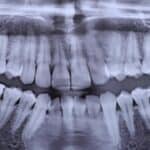

For anyone struggling with extensive tooth loss or severe dental problems, full mouth dental implants offer a life-changing solution. Understanding complex dental procedures like All-on-4 and All-on-6 implants can feel overwhelming, but this guide simplifies everything you need to know. From the basics to costs, benefits, and recovery, we’ll cover it all. Learn more about our clinic here.
What Are Full Mouth Dental Implants?
Full mouth dental implants are a permanent solution for replacing all of the teeth in the upper or lower jaw, or both. Unlike dentures, which are removable and often uncomfortable, implants are surgically anchored into the jawbone. This ensures stability, comfort, and a natural appearance.
Essentially, a full mouth implant procedure combines multiple dental implants and a full arch prosthesis, allowing patients to regain functionality and confidence in their smile. You can see the full range of our implant services here.
Understanding All-on-4 and All-on-6 Implants
Full mouth implants typically use either four or six implants per jaw, leading to the terms All-on-4 and All-on-6. Both procedures involve placing implants strategically to support a complete dental arch. Here’s the difference:
All-on-4 Dental Implants
The All-on-4 technique uses four implants to secure a full arch of replacement teeth. Two implants are placed vertically at the front of the jaw, and two at an angle in the back to maximize bone support.
- Advantages: Less invasive, faster recovery, fewer implants required.
- Ideal For: Patients with some bone loss, those looking for cost-effective solutions.
All-on-6 Dental Implants
The All-on-6 procedure uses six implants to provide extra stability, especially beneficial for patients with dense bone structures. With two additional implants, the load is distributed more evenly across the jaw.
- Advantages: Enhanced stability, improved chewing efficiency, longer lifespan.
- Ideal For: Patients seeking maximum durability and strength for their full arch.
Who Is a Candidate for Full Mouth Implants?
Not everyone is immediately eligible for full mouth implants. Ideal candidates typically:
- Have missing teeth or severely damaged teeth in one or both jaws.
- Maintain good overall health and oral hygiene.
- Have sufficient bone density, or are willing to undergo bone grafting.
- Do not smoke excessively, as smoking can impede healing.
During the initial consultation, dentists will perform X-rays, CT scans, and sometimes 3D imaging to determine suitability. Learn more about who can benefit from implants here.
Step-by-Step Procedure of Full Mouth Implants
The process may vary slightly depending on the dentist and the chosen method, but generally follows these steps:
1. Initial Consultation and Planning
During this phase, your dentist evaluates oral health, discusses goals, and creates a custom treatment plan. Advanced imaging ensures precise implant placement.
2. Tooth Extraction and Jaw Preparation
If any remaining teeth are damaged or decayed, they are extracted. Bone grafting may also be performed if jaw density needs enhancement for implant stability.
3. Implant Placement Surgery
Depending on the chosen method, either four or six implants are inserted into the jawbone. This is usually done under local anesthesia or sedation for patient comfort. Learn more about how implants work here.
4. Temporary Prosthesis
Immediately after surgery, patients often receive a temporary set of teeth to maintain aesthetics and functionality while the implants integrate with the jawbone (osseointegration).
5. Healing and Osseointegration
Over 3–6 months, the implants fuse with the jawbone. During this period, patients need to follow strict oral care routines and diet recommendations.
6. Final Permanent Teeth
Once healing is complete, the final custom prosthesis is attached to the implants, giving a fully functional, natural-looking smile. Explore the different types of implants available here.
Benefits of Full Mouth Dental Implants
Full mouth implants offer several benefits over traditional dentures or partial implants:
- Permanent Solution: Implants can last decades with proper care.
- Natural Appearance: Closely mimic the look, feel, and function of natural teeth.
- Improved Oral Health: Prevents bone loss and preserves facial structure.
- Enhanced Comfort: No slipping or discomfort associated with dentures.
- Better Chewing Efficiency: Enjoy all your favorite foods without difficulty.
Cost of Full Mouth Dental Implants
Costs vary depending on geographic location, clinic, and procedure complexity.
While the initial cost is high, implants are a long-term investment compared to dentures, which require frequent replacements and adjustments.
Recovery and Aftercare
Recovery time varies, but most patients experience:
- Swelling and discomfort for the first few days.
- Soft diet for the initial weeks post-surgery.
- Regular follow-ups to monitor healing.
- Long-term oral hygiene, including brushing, flossing, and periodic dental checkups.
Conclusion
Full mouth dental implants, whether All-on-4 or All-on-6, provide an effective, long-lasting, and life-changing solution for patients with extensive tooth loss. They restore not just a smile, but confidence, oral health, and overall quality of life.
To take the first step toward your new smile, schedule your consultation today.