
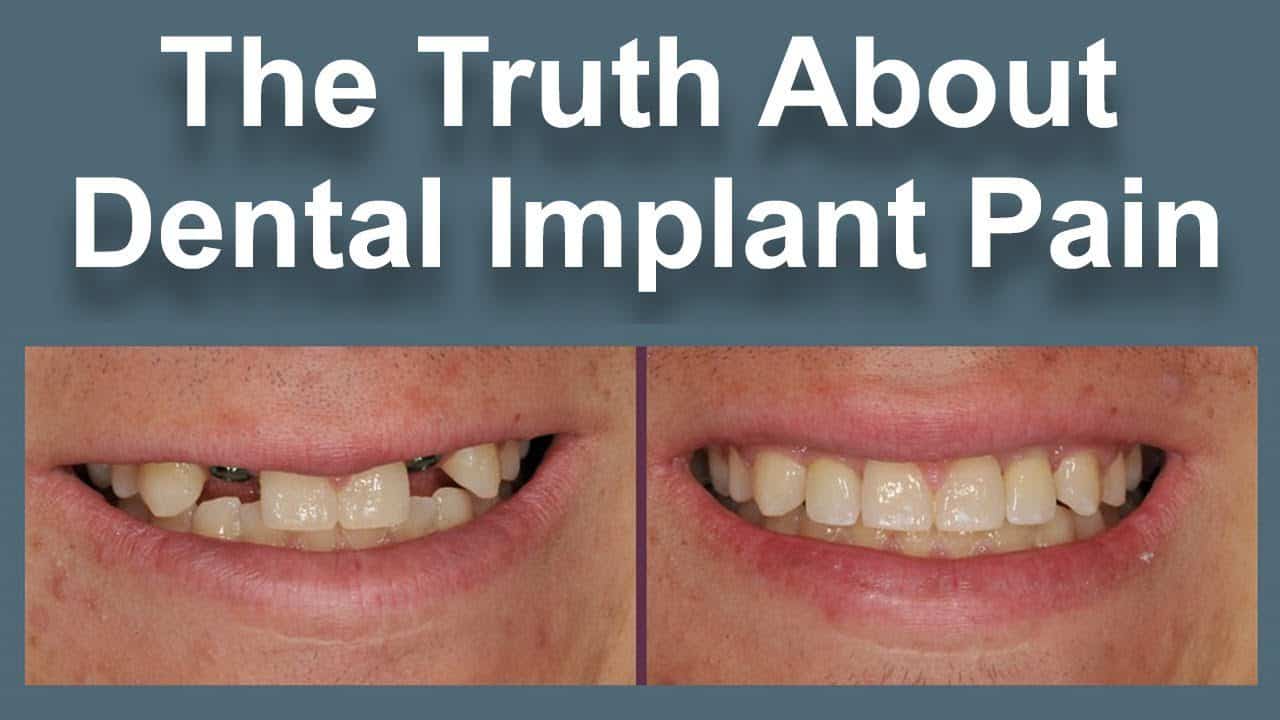
Understanding the Misconception
Many people avoid dental implants because they assume the procedure is extremely painful. It’s a common misconception, fueled by stories about invasive dental surgeries or outdated techniques. The truth is that dental implant surgery is generally much more comfortable than most patients expect. Advances in dental technology, anesthesia, and post-operative care have made implants a highly manageable procedure with minimal discomfort for the majority of patients. Understanding what to expect before, during, and after the surgery can help calm fears and empower patients to make informed decisions about restoring their smile.
Modern Dental Implant Procedures
Dental implant surgery has come a long way from the days of invasive, high-pain procedures. Today, implants are placed using precise techniques, often aided by 3D imaging and computer-guided planning. These methods allow dentists to plan the exact placement of the implant, avoiding unnecessary trauma to surrounding tissue. Most procedures are performed under local anesthesia, so patients feel little to no pain during the surgery itself. For anxious patients, sedation options are available, making the experience even more comfortable. The combination of careful planning, modern tools, and anesthesia ensures that the procedure is far less intimidating—and less painful—than many imagine.
What to Expect During the Procedure
During dental implant placement, a small titanium post is inserted into the jawbone to replace the root of a missing tooth. The process involves making a tiny incision in the gum to access the bone, then drilling a small pilot hole to place the implant. While this may sound invasive, local anesthesia numbs the area completely, so the patient usually feels pressure rather than pain. The procedure is typically quick, especially for single implants, and most patients report minimal discomfort. In fact, many compare the experience to having a routine filling or tooth extraction, which are familiar and manageable dental procedures.
Post-Operative Discomfort Is Manageable
It’s normal to experience some mild discomfort, swelling, or bruising for a few days after implant surgery, but this is usually short-lived and manageable. Dentists typically recommend over-the-counter pain relievers or, in some cases, prescription medication for the first 48–72 hours. Cold compresses can help reduce swelling, and sticking to soft foods during the initial healing period can make eating more comfortable. Most patients find that their discomfort is far less than they anticipated, often described as a minor soreness rather than significant pain. Proper post-operative care and following your dentist’s instructions are key to minimizing discomfort.
Healing and Osseointegration
One reason dental implants are sometimes perceived as painful is the healing process. After the implant is placed, the jawbone gradually fuses with the titanium post in a process called osseointegration. This phase can take several months, during which the implant becomes a stable foundation for the crown, bridge, or denture. While there may be some mild tenderness or sensitivity during healing, this is normal and temporary. The majority of patients experience no ongoing pain once the implant integrates with the bone. This natural fusion is what gives dental implants their unmatched stability and durability compared to dentures or bridges.
Factors That Affect Pain Levels
Pain and discomfort vary from patient to patient. Factors that can influence the experience include the number of implants being placed, the need for additional procedures like bone grafts, individual pain tolerance, and overall health. Patients who undergo more extensive procedures may experience slightly more swelling or soreness, but even in these cases, pain is generally moderate and manageable. Open communication with your dentist can help tailor pain management strategies to your needs, ensuring a comfortable and safe experience.
Why Many Patients Are Surprised by the Comfort
Most patients are pleasantly surprised at how little discomfort they experience during and after dental implant surgery. Unlike older methods that required large incisions or prolonged recovery, modern implant techniques are minimally invasive and designed to protect surrounding tissue. The precision of computer-guided implant placement reduces trauma, and local anesthesia or sedation eliminates pain during the procedure. Many patients even say the worst part was the anticipation, not the procedure itself. This combination of minimally invasive techniques, anesthesia, and careful post-operative care ensures that the process is far less intimidating than many imagine.
Pain vs. Other Tooth Replacement Options
Compared to traditional dentures, which can cause sore spots, irritation, and difficulty eating, dental implants are far more comfortable in the long term. Bridges, which require reshaping adjacent teeth, may also create sensitivity. In contrast, implants integrate directly with the jawbone, becoming a natural part of the mouth. After the initial healing period, patients often forget which teeth are implants because they look, feel, and function just like natural teeth. In essence, while there may be a brief period of mild discomfort, the long-term comfort and stability make implants an appealing choice for anyone missing teeth.
Tips to Minimize Pain and Speed Recovery
There are several ways to ensure a smooth, relatively pain-free recovery. First, follow all post-operative instructions provided by your dentist, including oral hygiene and dietary guidelines. Second, use recommended pain medications or over-the-counter analgesics as directed. Cold compresses during the first 24 hours can reduce swelling, while saltwater rinses after 48 hours help prevent infection. Rest and avoiding strenuous activity during the initial days also support healing. Finally, attend all follow-up appointments to ensure the implant is integrating properly and address any concerns promptly.
When to Call Your Dentist
Although pain is typically mild, it’s important to know when discomfort may indicate a problem. Persistent or severe pain, swelling that worsens after a few days, or signs of infection such as pus or fever should prompt immediate contact with your dentist. Most dental professionals are proactive about addressing post-operative issues, and early intervention usually resolves complications quickly. Being aware of these warning signs helps patients feel more confident and prepared for the recovery process.
Long-Term Comfort and Benefits
Once the healing period is complete, dental implants provide unmatched comfort and functionality. Unlike dentures, which can rub against gums or shift during eating, implants feel like natural teeth and allow for unrestricted chewing. Patients can eat, speak, and smile confidently without worrying about discomfort or slippage. The long-term benefits—improved oral health, jawbone preservation, and a natural appearance—far outweigh the short period of mild post-operative soreness, making dental implants a highly rewarding investment in both health and quality of life.
The Bottom Line
Dental implants are not as painful as many people think. Modern techniques, anesthesia, and careful planning make the procedure comfortable, while post-operative discomfort is generally mild and temporary. The healing process, while requiring patience, is manageable, and long-term results offer comfort, stability, and natural function unmatched by other tooth replacement options. For anyone who has avoided implants out of fear of pain, understanding the procedure and recovery can help alleviate anxiety and open the door to a healthy, confident smile. Dental implants are an investment in both oral health and quality of life, and the brief, manageable discomfort during healing is a small price to pay for long-lasting results.