Dental implants provide a reliable, long-term solution for missing teeth. Patients often ask, how long do dental implants last? The answer depends on several factors, including oral hygiene, lifestyle, and implant quality. By understanding these factors, patients can take active steps to ensure their implants last a lifetime. For an overview of dental implant options, visit Wantteeth Dental Implants Services.
Understanding Dental Implants
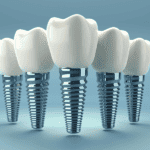
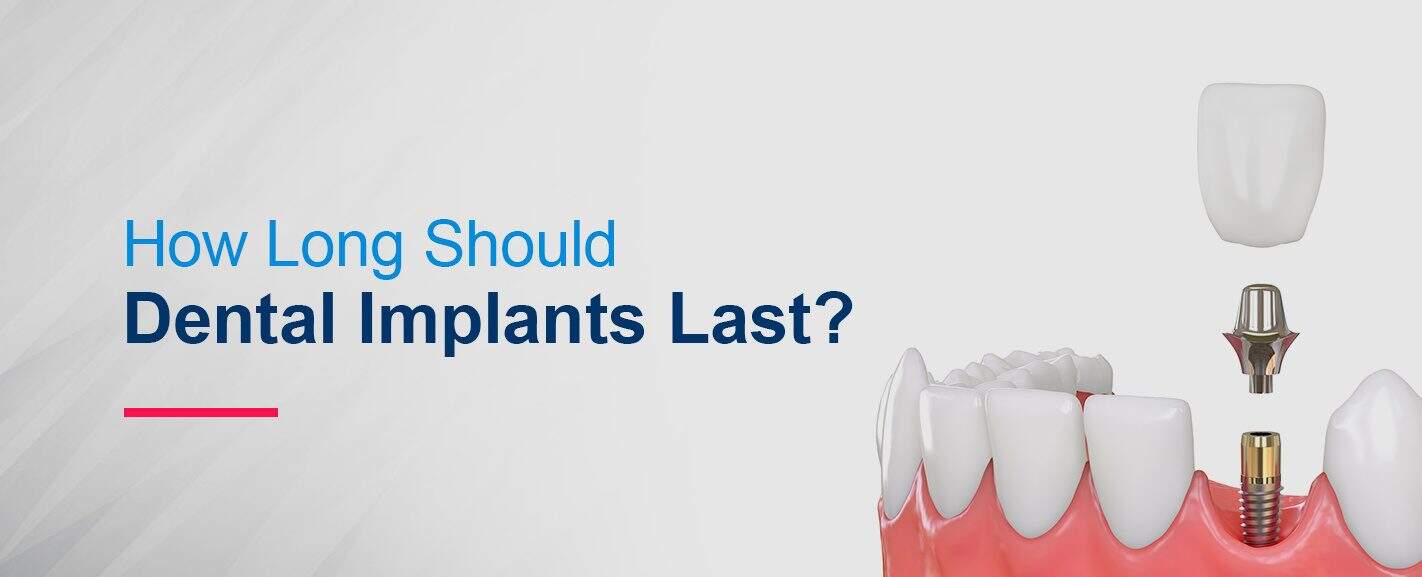
Dental implants consist of three parts: a titanium post, an abutment, and a crown. The titanium post integrates with the jawbone through a process called osseointegration. This integration forms a stable foundation for the abutment and crown, making implants function and look like natural teeth. Learn more about how implants work at Wantteeth: How Dental Implants Work.
The Dental Implant Process
- Initial Assessment: The dentist evaluates oral health, jawbone density, and suitability for implants. You can explore the clinic and team at Wantteeth About Us.
- Surgical Placement: The dentist inserts the titanium post into the jawbone under local anesthesia. Detailed surgery steps are available at Dental Implant Surgery.
- Healing and Osseointegration: The post bonds with the bone over 3-6 months.
- Abutment Placement: The dentist attaches a connector to support the crown.
- Crown Placement: The dentist fits the final restoration, completing the implant procedure. Discover implant types at Types of Dental Implants.
Average Lifespan of Dental Implants
High-quality dental implants can last 25 years or more. Many patients enjoy implants for a lifetime if they maintain excellent oral hygiene and schedule regular dental check-ups. Studies indicate a success rate above 95% over 10 years for properly placed implants.
Factors That Influence Longevity
Several factors affect how long implants last. Patients can control some, while others depend on biology or implant technology.
Oral Hygiene and Maintenance
Patients who brush, floss, and rinse daily reduce the risk of gum disease around implants. Peri-implantitis, an infection around the implant, can compromise osseointegration and lead to implant failure. Regular dental visits allow professionals to clean areas patients may miss and detect early signs of problems.
Lifestyle Factors
Habits significantly influence implant durability. Smoking reduces blood flow to the gums, slowing healing and increasing infection risk. Excessive alcohol consumption can weaken bone and gum health. Patients who grind or clench their teeth (bruxism) may need a nightguard to prevent implant damage.
Bone Health and Quality
Implants rely on strong, healthy jawbone. Patients with bone loss may require grafting before implant placement. Poor bone quality can reduce osseointegration success and shorten implant lifespan. Dentists may recommend periodic scans to monitor bone density around implants.
Implant Material and Technology
Most dental implants use titanium due to its strength and biocompatibility. Some dentists offer zirconia implants for patients seeking metal-free solutions. The quality of the implant, including design and surface treatment, affects how well it bonds with bone and resists wear over time.
Placement Technique and Surgeon Experience
Experienced dental surgeons improve implant longevity. Proper placement avoids excessive stress on the implant and ensures optimal integration with the bone. Surgeons who follow precise protocols reduce post-operative complications and support long-term durability.
Crowns and Prosthetic Care
Implants themselves are highly durable, but the attached crowns may wear or chip over time. Patients should choose high-quality materials and avoid biting excessively hard foods. Dentists may recommend replacing crowns every 10-15 years while keeping the implant intact.
Medical Conditions
Conditions like diabetes, osteoporosis, or immune disorders can affect healing and implant longevity. Patients with chronic illnesses should consult their dentist and manage their conditions to support implant success. Maintaining overall health strengthens the body’s ability to integrate and sustain implants.
Signs Implants May Need Attention
Patients should monitor implants for signs of trouble. Indicators include persistent pain, swelling, loosening of the crown or implant, and difficulty chewing or biting. Early intervention by a dentist prevents more serious complications and protects implant longevity.
Tips to Maximize Implant Lifespan
- Brush and floss regularly, using specialized tools if needed around implants.
- Schedule professional cleanings and check-ups at least twice a year.
- Wear a nightguard if you grind your teeth.
- Avoid smoking and limit alcohol consumption.
- Consume a balanced diet to support bone health, including calcium and vitamin D.
- Follow your dentist’s post-operative care instructions closely.
Conclusion
Dental implants offer a long-lasting, reliable solution for missing teeth. Many patients enjoy their implants for decades, often for a lifetime. Factors such as oral hygiene, lifestyle, bone health, surgeon experience, and medical conditions directly influence durability. Patients who actively care for their implants and seek professional guidance maximize their investment and maintain a healthy, confident smile. For appointments and personalized guidance, visit Wantteeth Appointment Page.
© 2026 Dental Health Insights. All Rights Reserved