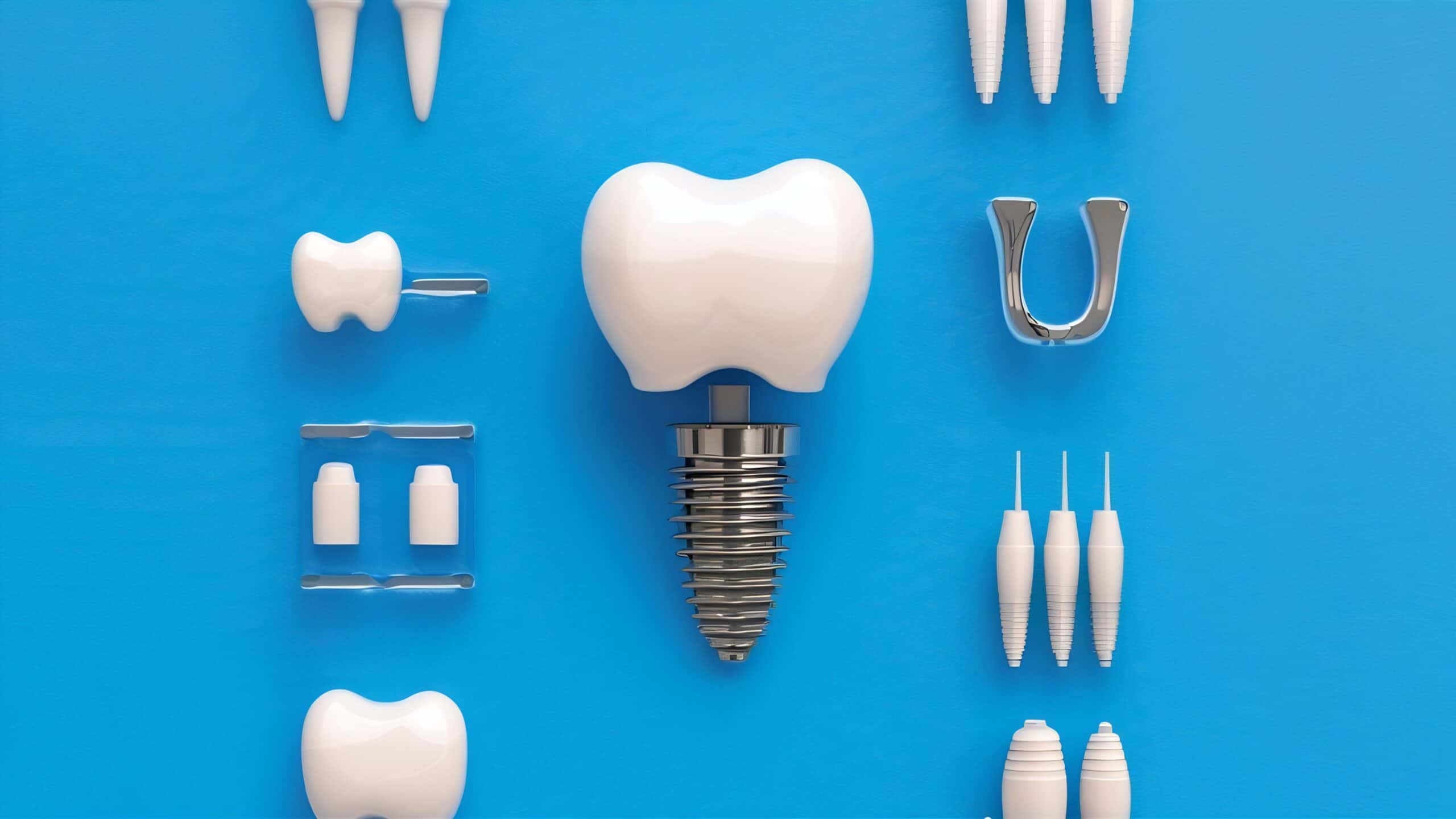
Modern dentistry has achieved something remarkable: the ability to replace a missing tooth in a way that looks, feels, and functions almost exactly like the real thing. Dental implants are not just cosmetic enhancements — they are precision-engineered systems designed to replicate the full anatomy of a natural tooth, from root to crown.
For patients considering treatment, understanding the individual components of a dental implant can make the process less intimidating and far more empowering. If you’re exploring professional treatment options, you can learn more about comprehensive dental implant services here.
The Foundation: The Implant Fixture (Artificial Root)
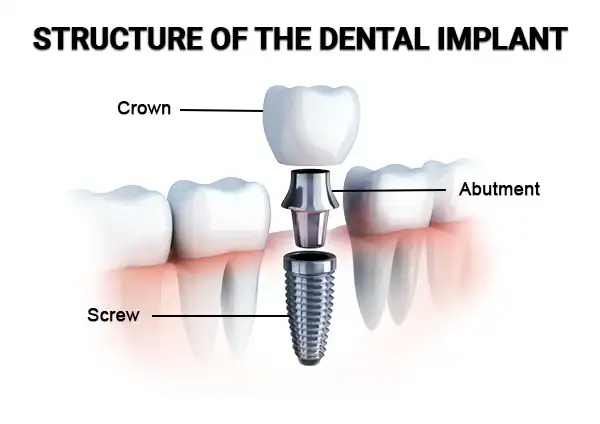
The implant fixture is the core of the entire system. Surgically placed into the jawbone, this small titanium or zirconia post acts as the artificial root of the missing tooth.
Material Matters
Most implants are made from medical-grade titanium because of its strength, durability, and unique ability to fuse with bone. Some patients may opt for zirconia implants for a metal-free alternative.
Design and Structure
- Threaded surface to ensure stability
- Special surface treatments to encourage bone bonding
- Various lengths and diameters for personalized placement
The surgical placement process is carefully planned and executed to ensure long-term success. If you’d like a detailed explanation of what happens during the procedure, this guide on dental implant surgery walks through the steps clearly.
The Biological Bond: Osseointegration
Once the implant fixture is placed, the body begins a natural healing process called osseointegration. This is where bone cells attach to the implant’s surface, effectively locking it into place.
This phenomenon was first discovered by Swedish orthopedic surgeon Per-Ingvar Brånemark, revolutionizing restorative dentistry. Over several months, the implant becomes a permanent part of the jaw structure — providing stability unmatched by traditional dentures or bridges.
If you’re curious about the science behind why implants feel so natural, you may find this explanation helpful: Why dental implants feel like natural teeth.
The Connector: The Abutment
After osseointegration is complete, the abutment is attached to the implant. This small connector piece protrudes just above the gum line and serves as the support structure for the final crown.
Types of Abutments
- Stock abutments – Prefabricated and ready-made
- Custom abutments – Digitally designed for a precise fit
- Angled abutments – Used to correct implant positioning
The right abutment ensures that the final restoration aligns perfectly with surrounding teeth, both functionally and aesthetically.
The Final Restoration: The Crown
The crown is the visible part of the dental implant — the portion that restores your smile and bite. Crafted from porcelain, zirconia, or ceramic materials, it is custom-designed to match your natural teeth in shape, shade, and translucency.
Crown Attachment Options
- Screw-retained crowns – Easily removable for maintenance
- Cement-retained crowns – Offer seamless aesthetics
The result is a tooth that not only looks real but functions like one — allowing you to eat, speak, and smile with confidence.
Supporting Components: Healing Abutments & Cover Screws
Behind the scenes, smaller components ensure proper healing and tissue shaping:
- Cover Screw – Protects the implant during initial healing
- Healing Abutment – Shapes gum tissue before crown placement
These temporary components play a vital role in achieving natural-looking results.
Single vs. Multiple Tooth Replacement
Dental implants are versatile solutions. Whether you’re missing one tooth or several, implant systems can be tailored to your needs.
If you’re comparing treatment options, this breakdown of single tooth vs multiple tooth dental implants explains how different implant configurations work.
Implants vs. Dentures: Understanding the Difference
Traditional dentures sit on top of the gums, while implants integrate directly into the jawbone. This structural difference explains why implants feel more stable and natural.
For a side-by-side comparison, this article on dental implants vs dentures highlights the key differences in comfort, durability, and long-term value.
How All Components Work Together
A dental implant functions like a three-part architectural system:
- The implant fixture acts as the foundation.
- The abutment serves as the support pillar.
- The crown completes the visible structure.
When engineered and placed correctly, these components distribute bite forces evenly, protect surrounding bone, and maintain facial structure.
Longevity and Care
Dental implants have success rates exceeding 95% when properly maintained. Although they cannot decay like natural teeth, surrounding gum tissue must remain healthy.
Routine checkups, good oral hygiene, and professional monitoring ensure your implant components continue functioning as designed for decades.
Final Thoughts: A System Built for Confidence
Dental implants are more than titanium posts — they are complete restorative systems that replicate nature’s design. From the artificial root anchored in bone to the meticulously crafted crown, every component plays a precise role.
If you’re considering taking the next step toward restoring your smile, you can book a consultation appointment here to explore your options with a professional team.
Understanding dental implant components doesn’t just clarify the procedure — it reveals the remarkable science that allows modern dentistry to restore not only teeth, but confidence, function, and quality of life.