Dental implants have revolutionized modern dentistry, providing patients with a long-lasting and natural-looking solution for missing teeth. However, one of the most important decisions when considering dental implants is choosing the right material. The two most common options today are Titanium and Zirconia. Each material has its unique advantages, limitations, and ideal use cases. This comprehensive guide will help you understand the differences and make an informed choice for your dental health.
Understanding Dental Implant Materials
Dental implants serve as artificial tooth roots that support crowns, bridges, or dentures. The material used for the implant post directly affects its durability, biocompatibility, and aesthetic outcome. Titanium and Zirconia are the two leading materials in dental implantology.
Titanium Implants
Titanium has been the gold standard for dental implants for decades. Known for its strength, biocompatibility, and long track record, titanium implants have successfully restored millions of smiles worldwide. Learn more about how dental implants work and why titanium is a popular choice.
- Durability: Titanium is incredibly strong and resistant to fracture, making it ideal for patients who require long-term solutions.
- Osseointegration: Titanium naturally bonds with the jawbone, providing excellent stability and support for artificial teeth.
- Proven Track Record: With decades of clinical research, titanium implants have shown a high success rate of 95–98% over 10 years.
Zirconia Implants
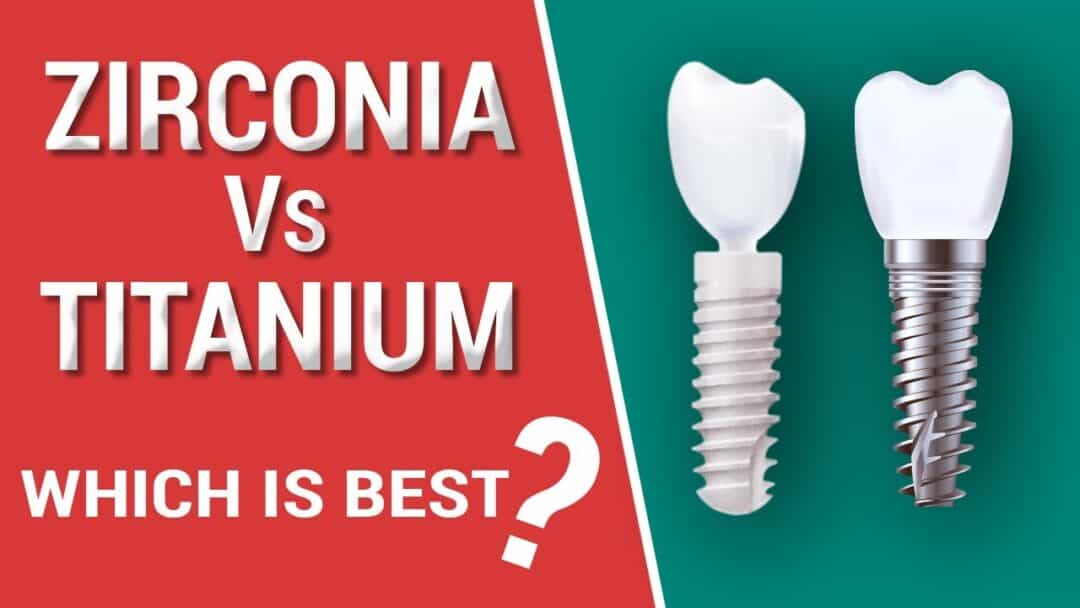
Zirconia, also known as ceramic implants, has gained popularity in recent years, particularly among patients seeking a metal-free solution. Zirconia is made from zirconium dioxide, a biocompatible ceramic material. For a detailed overview of implant options, see types of dental implants.
- Aesthetic Advantage: Zirconia implants are white, which mimics natural teeth and prevents grayish gum discoloration sometimes associated with titanium.
- Biocompatibility: Zirconia is highly compatible with soft tissues and may reduce inflammation or allergic reactions.
- Metal-Free Option: Ideal for patients with metal sensitivities or those who prefer non-metal dental solutions.
Key Factors to Consider When Choosing
Selecting the right dental implant material depends on several critical factors, including durability, aesthetics, health considerations, and cost. Here’s a closer look:
1. Strength and Longevity
Titanium implants are widely recognized for their exceptional strength and resistance to fractures. Zirconia, while strong, is more brittle than titanium. In cases with high bite force or patients prone to grinding teeth (bruxism), titanium may offer better long-term reliability. Discover how dental implant surgery works and what to expect from the procedure.
2. Aesthetic Considerations
For implants placed in visible areas, such as the front teeth, aesthetics become a primary concern. Zirconia’s tooth-colored appearance blends naturally with gums and surrounding teeth. Titanium implants, although covered with a crown, may sometimes show a dark line at the gum margin if gum recession occurs. For insights on achieving a natural look, check out why dental implants feel like natural teeth.
3. Biocompatibility and Tissue Health
Both titanium and zirconia are biocompatible, meaning they are generally well-tolerated by the body. However, zirconia has an edge for patients with metal sensitivities. Additionally, zirconia is highly resistant to plaque accumulation, potentially reducing the risk of peri-implantitis, an inflammatory condition affecting the gums and bone around the implant.
4. Surgical Considerations
Titanium implants are typically placed in a two-stage process, involving bone integration followed by crown placement. Zirconia implants often come in a one-piece design, which can simplify the procedure but may limit certain placement flexibility. Your dentist will assess bone quality and jaw structure to recommend the most suitable option. For more details, visit Dental Implants 101.
5. Cost Factors
Titanium implants tend to be slightly less expensive than zirconia implants due to their longer history and wider availability. Zirconia implants, being newer and often custom-designed for aesthetics, can carry a higher price tag. Cost should be balanced with other factors such as longevity, health considerations, and aesthetic goals.
Comparing Titanium and Zirconia: Pros and Cons
| Factor | Titanium | Zirconia |
|---|---|---|
| Strength | Extremely strong and fracture-resistant | Strong but more brittle than titanium |
| Aesthetics | May show gray lines if gum recedes | Natural white color blends with teeth and gums |
| Biocompatibility | High, widely used with few allergic reactions | Excellent, ideal for metal sensitivities |
| Longevity | Proven track record: 95–98% success over 10 years | Promising results, though long-term data is more limited |
| Procedure | Usually two-stage surgery | Often one-piece, simpler but less flexible |
| Cost | Moderate, widely available | Higher, newer technology |
Who Should Choose Titanium?
Titanium implants are generally recommended for patients who:
- Have a history of strong bite forces or bruxism
- Seek long-term, well-documented reliability
- Are less concerned about metal visibility in the smile line
Who Should Choose Zirconia?
Zirconia implants may be ideal for patients who:
- Prioritize aesthetics, especially in the front teeth
- Have metal allergies or sensitivities
- Prefer a metal-free dental solution
- Want reduced plaque accumulation and soft tissue inflammation
Conclusion
Choosing between titanium and zirconia dental implants is a decision that balances durability, aesthetics, and health considerations. Titanium remains the most tested and reliable option for most patients, especially in areas with high bite forces. Zirconia offers an appealing alternative for patients who prioritize aesthetics, biocompatibility, or a metal-free approach.
Ultimately, the right choice depends on your unique oral health needs, lifestyle, and personal preferences. Consulting with a qualified dental professional will ensure you select the material that provides the best combination of function, appearance, and long-term success for your smile. For more information or to schedule a consultation, visit Wantteeth Appointment Page.