
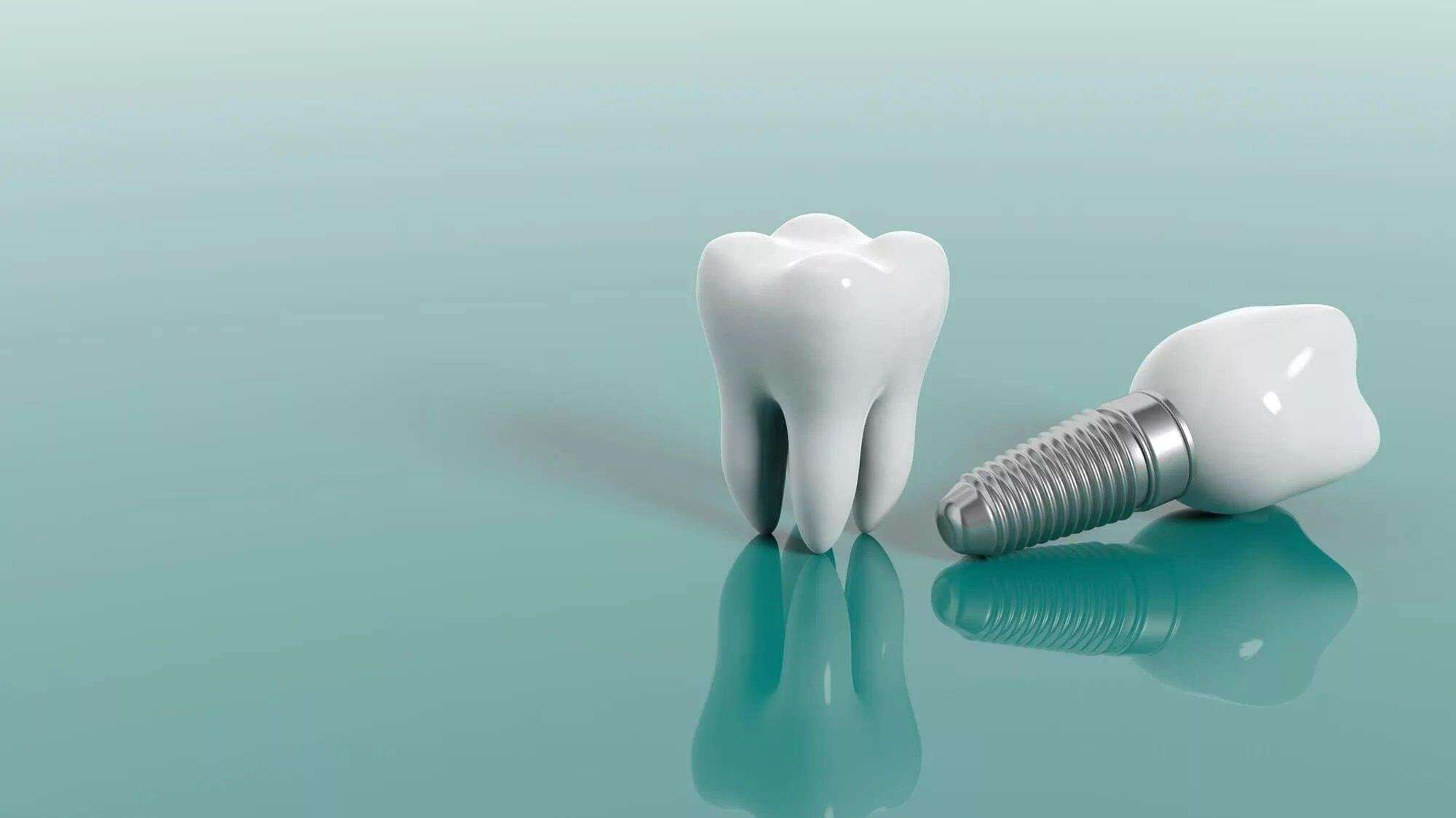
What Exactly Are Dental Implants?
Let’s get straight to it: dental implants are the gold standard when it comes to replacing missing teeth. Unlike dentures or bridges, which sit on top of your gums or rely on neighboring teeth, dental implants replace the tooth at the root level. A small titanium post is surgically placed into the jawbone, and after a healing period, a crown is attached on top. This creates a tooth that looks, feels, and functions almost exactly like your natural one. Think of it as a permanent solution that integrates seamlessly with your mouth—no slipping, no adhesives, no worries. In short, implants are the closest thing you can get to “nature-made” teeth after a tooth is lost.
Who Can Get Dental Implants?
You might think implants are only for certain people, but the truth is they’re suitable for a wide range of patients. Generally, anyone with good oral and overall health who has sufficient jawbone density can be a candidate. Even if your bone has shrunk after years of missing teeth, procedures like bone grafts can often rebuild it enough to support implants. Age isn’t as much of a limiting factor as you might think. What matters most is your willingness to commit to proper oral hygiene and follow your dentist’s guidance—because implants are a long-term investment in your smile and overall health.
The Procedure: What Really Happens
Dental implants may sound intimidating, but the process is more manageable than you think. First, your dentist will evaluate your mouth with X-rays and 3D scans to plan exact placement. Then comes the surgical phase, where the titanium post is inserted into your jawbone. Over the next few months, the bone grows around the implant in a process called osseointegration, creating a strong, stable foundation. Once your implant is firmly anchored, your dentist attaches the crown or prosthetic tooth. Yes, it sounds like a lot of steps—but the payoff is a tooth that feels permanent and behaves just like a natural one. Many patients are surprised by how smooth and painless modern implant procedures actually are.
Why Implants Are Worth the Hype
Here’s the thing: dental implants are more than just cosmetic fixes. They preserve jawbone health, prevent neighboring teeth from shifting, restore full chewing power, and make it easy to speak clearly. In comparison, dentures may slip, bridges may compromise healthy teeth, and other solutions often fail to address the underlying structural issues. Implants are an investment in your mouth, your health, and your confidence. Beyond function, they’re also designed to look completely natural. In fact, many people can’t tell the difference between a dental implant and a real tooth, which is why implants have become the superstar of modern dentistry.
How Long Do Implants Last?
Here’s one of the most exciting things about implants: they’re built to last. With proper care—brushing, flossing, and regular dental checkups—they can easily last 20 years or more, and often a lifetime. That’s far longer than traditional bridges or dentures, which may need replacement every 5–10 years. The combination of durability and low-maintenance care makes implants a smart long-term choice. Basically, you invest once, and enjoy decades of hassle-free teeth that function, look, and feel natural.
The Cost Factor: Is It Worth It?
Yes, dental implants can be more expensive upfront compared to bridges or dentures, but there’s a reason for that. You’re not just paying for a tooth—you’re paying for a solution that prevents bone loss, protects other teeth, and lasts for decades. When you factor in the longevity and reduced maintenance costs, implants often turn out to be the more cost-effective option in the long run. Think of it as an investment in your mouth and your quality of life: fewer repairs, fewer complications, and more confidence with every smile.
Recovering from the Procedure
Recovery is usually straightforward, and most patients are surprised at how manageable it is. There may be mild swelling or discomfort for a few days, but this can be controlled with over-the-counter pain relievers and following your dentist’s aftercare instructions. Since implants fuse with your jawbone, the healing process takes a few months, but during this time, your jaw is strengthening the foundation for your new tooth. Many people are back to normal eating, speaking, and smiling well before the crown is even placed. Modern implant techniques make recovery faster and more comfortable than ever.
Eating, Speaking, and Living With Implants
Once your implant is fully restored with a crown, you can eat virtually anything, speak clearly, and smile without hesitation. No more worrying about dentures slipping during a conversation or avoiding crunchy foods. Implants function just like natural teeth, which means you regain freedom in your daily life. From enjoying a crisp apple to confidently laughing at a joke, implants restore normalcy in ways that other tooth replacements simply can’t match. In essence, they’re not just teeth—they’re life enhancers.
Common Myths About Dental Implants
Let’s bust a few myths. First, implants are not only for the elderly—adults of all ages with missing teeth can benefit. Second, they don’t hurt like a nightmare surgery; local anesthesia and modern techniques make the process comfortable. Third, implants don’t require special cleaning routines; brushing, flossing, and routine dental visits are all that’s needed. Finally, you don’t have to lose multiple teeth to get implants. Even a single missing tooth can be replaced, and full-mouth restorations are also possible. The bottom line: implants are versatile, safe, and surprisingly patient-friendly.
Life After Implants
After getting dental implants, many patients report life-changing improvements. Confidence skyrockets when you can smile freely again. Eating becomes enjoyable without fear of pain or slipping teeth. Speech becomes clear, and your overall oral health is protected. There’s also a subtle but significant impact on how your face looks. By maintaining jawbone structure, implants help prevent the sunken appearance that sometimes comes with missing teeth, keeping your smile—and your face—looking youthful. In short, implants improve more than just your teeth—they improve your life.
Are Implants Right for You?
If you’re missing one or more teeth—or if your current tooth replacements are causing frustration or discomfort—dental implants are worth serious consideration. The best way to know is to consult with a qualified dentist who can evaluate your oral health, bone density, and overall suitability. Modern dental implants are accessible to a wide range of patients, and techniques like bone grafting or sinus lifts can expand options for those with bone loss. The key takeaway: if you want a long-term solution that restores function, appearance, and confidence, implants are your go-to.
The Bottom Line
Dental implants aren’t just another dental procedure—they’re a modern marvel that restores teeth, protects oral health, and enhances quality of life. They’re strong, permanent, and virtually indistinguishable from natural teeth. From chewing and speaking to smiling with confidence, dental implants provide benefits that extend far beyond aesthetics. Whether you’re considering a single implant or a full-mouth restoration, understanding their power and potential can help you make an informed decision. Skip the boring stuff—dental implants are not just practical; they’re life-changing.