Dental implants provide a long-lasting, natural-looking solution for missing teeth, improving both function and confidence. Planning your dental implant begins with an essential first visit, where your dentist evaluates your oral health, discusses your goals, and develops a personalized treatment plan. This article walks you through everything to expect during your first dental implant consultation, helping you feel prepared and informed.
Understanding Dental Implants
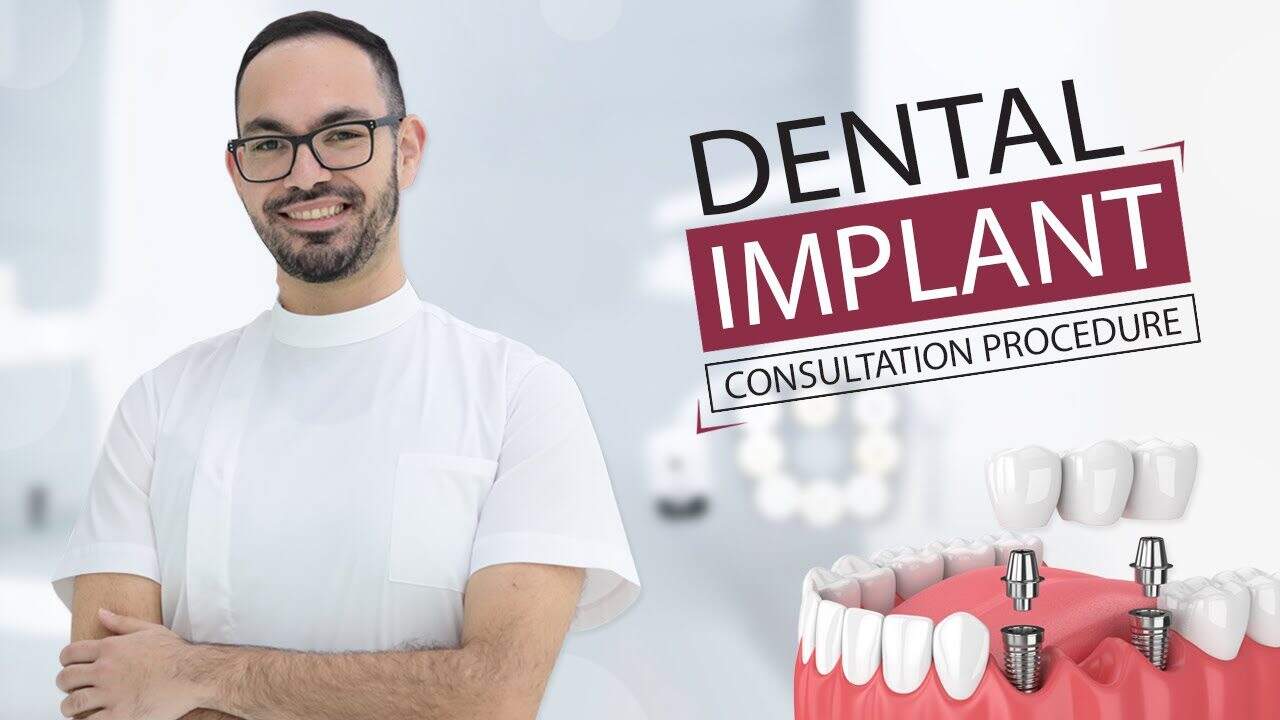
Dental implants consist of three main components:
- Implant post: A titanium screw inserted into the jawbone to act as a tooth root.
- Abutment: A connector that secures the dental crown to the implant.
- Crown: The visible tooth replacement that blends seamlessly with your natural teeth.
These components work together to restore chewing function, preserve jawbone structure, and improve appearance. Learn more about the dental implant services offered and how they can transform your smile.
Preparing for Your First Visit
Preparation ensures you make the most of your consultation. Key steps include:
Gather Your Medical and Dental History
Provide a full record of your medical conditions, medications, allergies, and previous dental procedures. Conditions like diabetes or habits such as smoking can affect implant success. Transparency allows your dentist to create a safe, effective plan.
List Your Goals and Concerns
Consider why you want a dental implant and what you hope to achieve, whether restoring chewing function, improving aesthetics, or preventing bone loss. Preparing questions ensures you don’t forget anything during the consultation.
Familiarize Yourself with the Process
Understanding the dental implant procedure and recovery timeline reduces anxiety and helps you participate actively in your treatment planning.
What to Expect During the First Visit
The first visit focuses on evaluating your suitability for dental implants and creating a customized plan. Steps include:
Oral Examination
Your dentist examines your teeth, gums, and jawbone, checking for decay, gum disease, or infections that could interfere with implant placement.
Diagnostic Imaging
Advanced imaging, such as panoramic X-rays or 3D scans, provides a detailed view of bone density, nerve positions, and sinus locations. This ensures precise implant placement.
Discussing Options
Your dentist reviews implant options, including single or multiple implants. They explain different types of dental implants and their benefits, helping you choose the best solution for your needs.
Setting Expectations
Clear communication helps you understand the expected timeline, recovery, and potential complications. This step ensures you leave with realistic expectations and confidence in your plan.
Evaluating Oral Health and Bone Structure
Strong jawbone and healthy gums are essential for implant success. Your dentist assesses:
Bone Density
If your jawbone has weakened due to tooth loss or gum disease, your dentist may recommend a bone graft to ensure implant stability.
Gum Health
Healthy gums reduce the risk of infection and implant failure. Treatment may be required if gum disease or inflammation is present.
Customized Treatment Planning
Your dentist creates a tailored plan covering:
- Number of implants needed
- Type of implant suitable for your bone and bite
- Timeline for placement, healing, and crown attachment
- Estimated costs and insurance coverage
Patient Education and Next Steps
Oral Hygiene Instructions
Proper oral hygiene before and after the implant process ensures long-term success. Your dentist will provide instructions for brushing, flossing, and using antimicrobial rinses.
Scheduling Your Procedure
The first visit concludes with scheduling your implant placement. Discuss pre-procedure preparations and sedation options to minimize discomfort.
Questions to Ask During the First Visit
Ask questions such as:
- Am I a good candidate for dental implants?
- Which type of implant do you recommend?
- Will I need a bone graft or other preparatory procedures?
- What is the total timeline for treatment?
- What risks or complications should I be aware of?
- How do I maintain the implant long-term?
Understanding the Benefits
Dental implants not only restore function but also feel and look natural. Discover why implants feel like natural teeth and how they enhance confidence, oral health, and overall quality of life.
Conclusion
The first visit is the foundation for a successful dental implant journey. By preparing for your consultation, asking the right questions, and understanding the procedure, you can achieve a durable, beautiful, and functional smile. To begin, book your first appointment and take the first step toward restoring your smile.
Learn more about the full dental implant process and explore how it can change your life today.© 2026 Dental Health Resources. All Rights Reserved.