Dental implants have revolutionized modern dentistry, offering patients a durable, natural-looking solution for missing teeth. However, not everyone is an ideal candidate. While dental implants boast a high success rate, certain medical conditions and lifestyle factors can compromise implant stability, healing, and long-term outcomes. This article explores the main exclusions for dental implants, with a focus on uncontrolled diabetes, smoking, and other critical considerations that can impact success.
Understanding Dental Implants
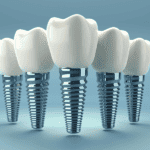
A dental implant is a titanium or zirconia post surgically placed into the jawbone to act as a replacement tooth root. Once the implant integrates with the bone through a process called osseointegration, a dental crown, bridge, or denture is attached to restore function and aesthetics. Dental implants offer benefits like:
- Preservation of jawbone structure
- Improved oral functionality (chewing and speaking)
- Enhanced aesthetic appearance and self-confidence
- Durability and long-term reliability compared to traditional dentures
To learn more about how dental implants work, check out this detailed guide.
Major Exclusions for Dental Implants
While dental implants are highly successful, certain health conditions and lifestyle choices can increase the risk of implant failure. Here are the primary exclusions:
1. Uncontrolled Diabetes
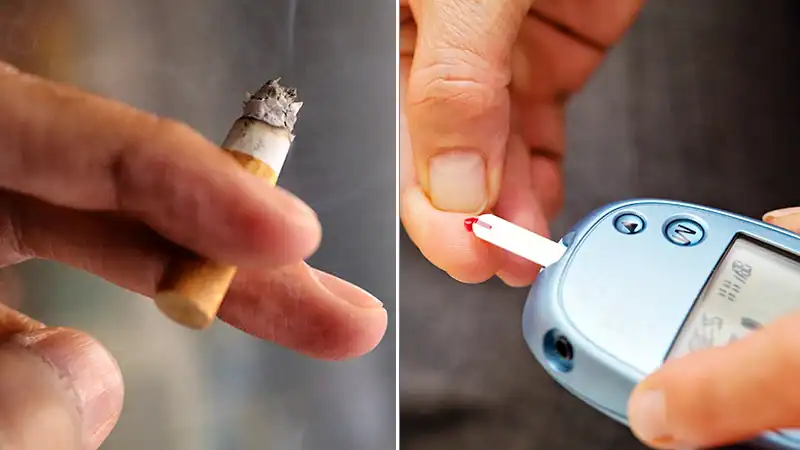
Diabetes is one of the most significant systemic conditions that can affect dental implant success. High blood sugar levels impede the body’s ability to heal, making surgical recovery slower and increasing the risk of infection. Key considerations include:
- Poor glycemic control: Patients with uncontrolled diabetes (HbA1c levels above 7-8%) have higher implant failure rates.
- Delayed bone healing: Diabetes can impair bone regeneration, reducing osseointegration.
- Increased risk of infection: Elevated blood sugar compromises immune response, increasing post-operative complications.
Patients with well-managed diabetes may still be candidates for dental implants, but careful monitoring and coordination with a physician are essential.
2. Smoking
Smoking is another major exclusion factor. Nicotine constricts blood vessels, reduces blood flow to the jawbone, and impairs healing. Consequences for implant success include:
- Higher implant failure rates compared to non-smokers
- Delayed bone integration and soft tissue healing
- Increased risk of peri-implantitis (inflammation around the implant)
Many dentists recommend quitting smoking before and after surgery. For those interested in treatment options, Want Teeth’s dental implant services provide expert guidance for smokers and non-smokers alike.
3. Severe Bone Loss
Sufficient jawbone density is crucial for dental implant stability. Patients with severe bone loss due to periodontal disease, trauma, or long-term tooth loss may face challenges. Solutions may include:
- Bone grafting: Using donor bone or synthetic materials to augment jawbone
- Sinus lift procedures: Increasing bone height in the upper jaw
Without adequate bone, implant placement is risky and more likely to fail. More information on implant types and procedures can be found here.
4. Uncontrolled Periodontal Disease
Active gum disease can jeopardize implant success. Infections weaken surrounding tissues and can lead to implant failure. Management steps include:
- Comprehensive periodontal treatment before implant placement
- Regular maintenance and hygiene to prevent recurrence
5. Other Considerations
Conditions such as autoimmune disorders, radiation therapy to the jaw, or incomplete jaw growth can also affect implant eligibility. Dentists carefully assess these patients before recommending implants. For more guidance on who is a perfect candidate, visit Want Teeth’s candidate guide.
Lifestyle Factors Affecting Implant Success
Beyond medical conditions, lifestyle choices play a crucial role in the success of dental implants:
- Poor oral hygiene: Neglecting brushing and flossing increases the risk of infection and peri-implantitis.
- Excessive alcohol consumption: Alcohol can delay healing and reduce bone density.
- High-stress levels: Stress may indirectly affect oral health through neglect of hygiene or bruxism (teeth grinding).
Pre-Operative Assessment for Dental Implants
A thorough pre-operative assessment is vital to minimize risks. Dentists typically evaluate:
- Medical history, including chronic illnesses, medications, and allergies
- Oral examination to check gum health, bone density, and bite alignment
- Imaging studies like panoramic X-rays or CBCT scans to assess jawbone structure
- Blood tests, especially for patients with diabetes or bleeding disorders
Alternatives When Implants Are Not Suitable
For patients who fall under one or more exclusions, alternatives to traditional implants may be considered:
- Fixed dental bridges: Relying on adjacent teeth for support
- Removable dentures: Partial or full dentures as temporary or long-term solutions
- Zygomatic implants: Anchored in the cheekbone for patients with severe maxillary bone loss
For a detailed comparison of dental implants versus dentures, see this guide.
Post-Operative Care and Success Factors
Even when implants are placed successfully, post-operative care determines long-term outcomes:
- Maintain excellent oral hygiene and follow dental cleaning schedules
- Quit smoking and limit alcohol intake
- Attend regular follow-up appointments to monitor healing and bone integration
- Manage chronic diseases like diabetes through proper medication and lifestyle changes
Conclusion
Dental implants provide a highly effective solution for missing teeth, but not every patient is an ideal candidate. Uncontrolled diabetes, smoking, severe bone loss, active gum disease, and certain systemic conditions are major exclusions that can compromise implant success. By understanding these risks and working closely with dental professionals, patients can either modify their lifestyle or explore alternative treatments to achieve optimal oral health outcomes. Always consult a qualified dentist for personalized assessment and guidance. To schedule a consultation, visit Want Teeth Appointment Page.
For more information on dental implants and eligibility, visit Want Teeth About Us to learn about their expert team.
© 2026 Dental Health Insights. All rights reserved.