Dental implants have revolutionized the field of restorative dentistry, offering patients a durable and natural-looking solution for missing teeth. Unlike traditional dentures or bridges, dental implants are designed to integrate with the jawbone, providing a long-lasting foundation for crowns, bridges, or full dentures. However, not everyone is automatically a candidate for dental implants. Various medical, dental, and lifestyle factors play a critical role in determining eligibility.
What Are Dental Implants?
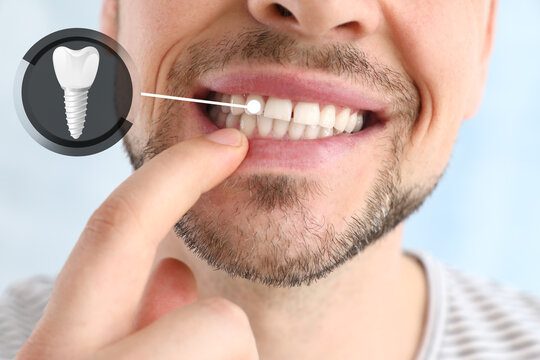
Dental implants are small titanium posts surgically placed into the jawbone to act as artificial tooth roots. Once the implant integrates with the bone through osseointegration, a dental crown, bridge, or denture can be securely attached. The benefits include:
- Improved oral function and chewing ability
- Preservation of jawbone and prevention of bone loss
- Long-term durability compared to other tooth replacement options
- Natural appearance that blends seamlessly with existing teeth
To understand exactly how dental implants work, check out this detailed explanation by dental specialists.
General Eligibility for Dental Implants
While dental implants are highly effective, they are not suitable for everyone. The ideal candidate generally has good overall health, sufficient bone density, and healthy gums. Key eligibility factors include:
1. Overall Health Status
Good general health is critical for successful dental implant surgery. Patients should be free from medical conditions that impair healing or increase surgical risks. Common considerations include:
- Diabetes: Uncontrolled diabetes can slow healing and increase the risk of implant failure.
- Cardiovascular disease: Heart conditions may complicate anesthesia or healing.
- Immune disorders: Conditions that weaken the immune system may hinder proper recovery.
- Cancer or ongoing chemotherapy: Radiation or chemotherapy can affect bone healing.
2. Jawbone Density and Volume
Dental implants require a stable foundation. Patients with bone loss may need additional procedures such as:
- Bone grafting: to rebuild lost bone tissue
- Sinus lift: for upper jaw implants when bone height is insufficient
Modern imaging, like 3D scans, helps evaluate whether your jaw can support implants. Learn more about the dental implant surgery process to see how these assessments are done.
3. Age Considerations
There is no strict upper age limit for dental implants. Older adults with healthy bone and gum tissue can benefit from implants just as much as younger patients. However, implants are usually recommended after jaw growth is complete:
- 18 years for females
- 21 years for males
4. Gum and Oral Health
Healthy gums are essential because gum disease can compromise implant stability. Patients with periodontitis need treatment before implants. Key factors include:
- Absence of active infection in the gums
- Adequate gum tissue to cover and protect the implant site
- Commitment to maintaining oral hygiene to prevent complications
5. Lifestyle Factors
Lifestyle habits can influence implant success:
- Smoking: Tobacco use can impair healing and increase implant failure risk.
- Alcohol: Excessive drinking may interfere with bone integration.
- Diet: Adequate nutrition supports post-surgical recovery.
Pre-Implant Evaluation Process
Before dental implants are placed, a thorough evaluation is conducted:
- Medical history review: Assessing overall health and chronic conditions.
- Dental examination: Checking the condition of existing teeth, gums, and oral hygiene practices.
- Imaging: X-rays and 3D scans to evaluate bone structure and nerve placement.
- Implant planning: Creating a surgical plan including implant size, position, and any bone grafting requirements.
If you are considering implants, book a consultation with a specialist to see if you are a suitable candidate.
Special Considerations for Certain Patients
Some patients require additional planning or alternative solutions:
- Osteoporosis: Careful assessment of bone quality and implant type.
- Bruxism: Protective devices may prevent implant overload.
- Autoimmune conditions: Evaluate medication impact on healing.
For a detailed guide on who is the perfect candidate for dental implants, see this expert resource.
Benefits of Being a Suitable Candidate
Eligible patients enjoy several advantages over other tooth replacement options:
- Enhanced stability compared to dentures
- Preservation of facial structure and prevention of bone resorption
- Improved self-confidence with natural-looking teeth
- Longevity, often lasting 15 years or more with proper care
Explore top benefits of dental implants to understand why they are an investment in yourself.
Conclusion
Dental implants offer a reliable, long-term solution for tooth loss, but not everyone is automatically eligible. Factors such as general health, jawbone density, gum condition, age, and lifestyle habits all play a critical role. By undergoing a thorough dental evaluation and addressing any health or lifestyle concerns, most patients can achieve successful outcomes with dental implants.
“Dental implants are not just a cosmetic solution—they are a life-changing investment in oral health and quality of life.”
For more information about dental implant services and to schedule your consultation, visit the official website.