
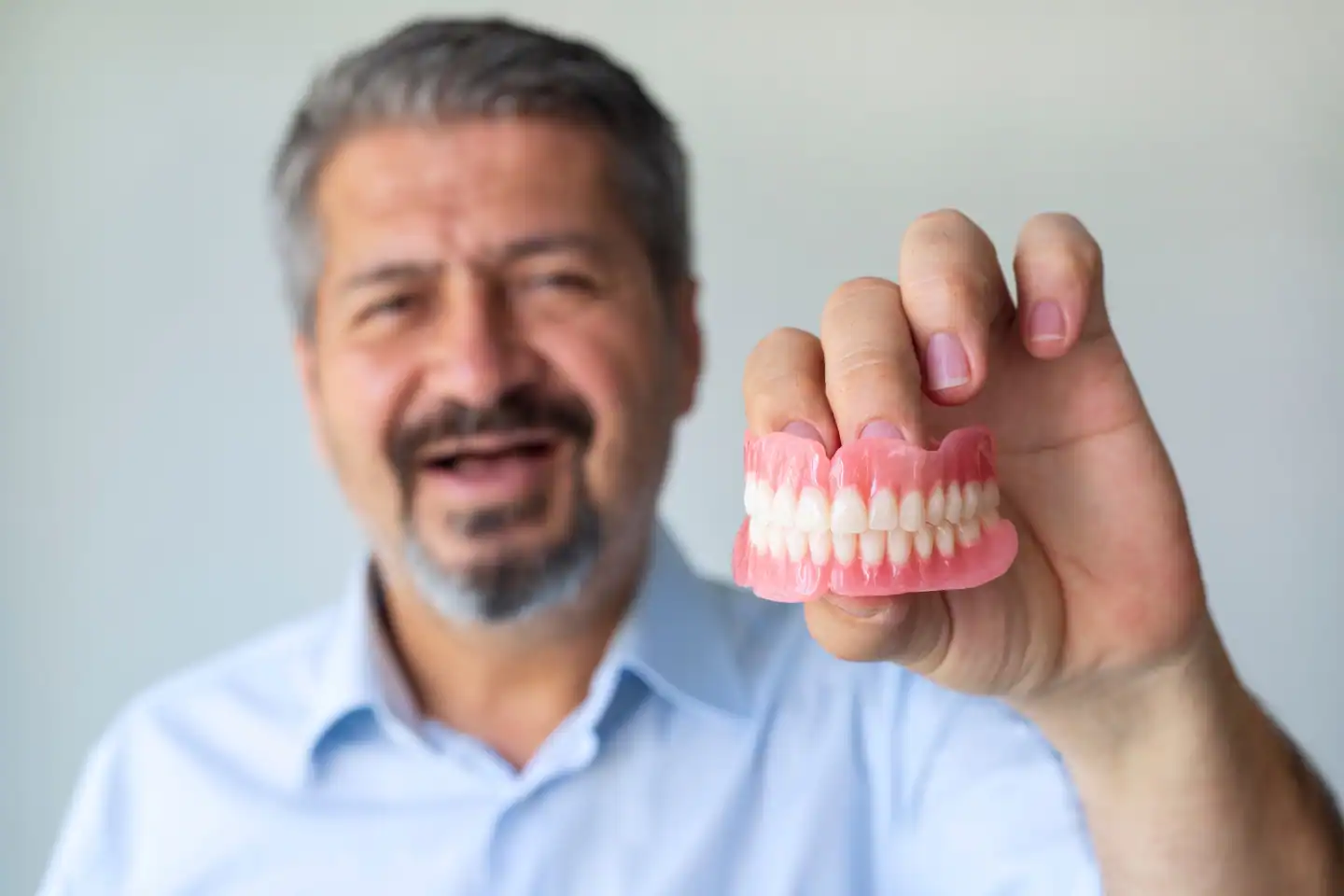
A Major Shift in Tooth Replacement Has Begun
For decades, dentures were considered the standard solution for missing teeth. If someone lost several teeth—or even all of them—the answer was almost always the same: dentures. They were widely accepted, relatively affordable, and often seen as the only practical option. Today, however, dentistry has entered a new era. Advances in technology, materials, and clinical techniques have dramatically changed how missing teeth are replaced. Patients are no longer willing to accept discomfort, instability, or compromised function. As expectations rise, dental implants have emerged as the preferred solution, offering a level of comfort, performance, and confidence that traditional dentures simply cannot match. This shift is not a trend—it’s a transformation in modern dental care.
The Hidden Limitations of Traditional Dentures
While dentures can restore the appearance of a smile, they come with significant limitations that many wearers experience daily. Dentures rest on the gums rather than being anchored into the jawbone, which makes them inherently unstable. Over time, they can slip, rock, or click during eating and speaking, leading to embarrassment and constant self-awareness. Many denture wearers struggle with sore spots, gum irritation, and difficulty chewing certain foods. Sticky, hard, or crunchy foods are often avoided altogether. What starts as a solution often turns into a compromise, forcing people to adapt their lifestyle around their teeth instead of enjoying life freely.
Why Dentures Feel Less Natural Over Time
One of the biggest challenges with dentures is that they do not interact with the jawbone the way natural teeth do. When teeth are lost, the jawbone no longer receives stimulation from tooth roots, causing it to gradually shrink. Dentures cannot prevent this bone loss. As the jawbone changes shape, dentures become loose and ill-fitting, requiring frequent adjustments or replacements. This ongoing cycle can be frustrating and costly. Over time, the face may appear sunken, the jawline less defined, and the smile less natural. These changes can affect both appearance and confidence, making dentures feel like an imperfect, temporary solution rather than a lasting one.
Dental Implants: A Permanent Solution, Not a Compromise
Dental implants represent a fundamentally different approach to tooth replacement. Instead of resting on the gums, implants are placed directly into the jawbone, where they function as artificial tooth roots. Made from biocompatible titanium, implants fuse with the bone in a process called osseointegration, creating a strong and stable foundation. This integration allows implants to support crowns, bridges, or even full-arch restorations with exceptional stability. Unlike dentures, implants do not move, slip, or rely on adhesives. They restore the structure of the mouth from the inside out, providing a solution that feels secure, natural, and permanent.
The Comfort and Stability Dentures Can’t Offer
One of the most noticeable differences between dentures and dental implants is comfort. Implant-supported teeth are fixed firmly in place, allowing patients to eat, speak, and smile without hesitation. There is no fear of dentures shifting at the wrong moment or causing discomfort during meals. The pressure from chewing is evenly distributed through the jawbone, just as it would be with natural teeth. This eliminates sore spots and irritation commonly associated with dentures. Patients often describe dental implants as feeling like their own teeth, rather than a removable appliance. This level of comfort plays a major role in why so many people are making the switch.
Eating Without Restrictions Becomes Possible Again
Food enjoyment is one of the areas where the difference between dentures and dental implants is most dramatic. Dentures significantly reduce bite force, making it difficult to chew tough or crunchy foods. Many denture wearers avoid foods they love, such as steak, apples, nuts, and corn, out of fear or discomfort. Dental implants restore nearly full biting power, allowing people to eat a wide variety of foods without worry. This not only improves quality of life but also supports better nutrition and overall health. Being able to eat comfortably and confidently is a freedom many patients don’t realize they’ve lost until dental implants give it back.
Preserving Jawbone and Facial Appearance
One of the most important advantages of dental implants is their ability to preserve jawbone and facial structure. When implants are placed into the bone, they stimulate it in the same way natural tooth roots do. This prevents bone loss and helps maintain the natural contours of the face. Dentures, by contrast, do nothing to stop bone deterioration. Over time, this can lead to a collapsed appearance around the mouth, deeper wrinkles, and a prematurely aged look. Dental implants help patients maintain a youthful, natural appearance, supporting not just their smile but their entire facial structure.
Long-Term Value: Why Implants Outlast Dentures
Although dentures may appear more affordable initially, they often come with ongoing costs. Adjustments, relines, repairs, adhesives, and replacements can add up over the years. Dentures typically need to be replaced every five to ten years due to changes in the jawbone. Dental implants, on the other hand, are designed to last for decades—and often a lifetime—with proper care. They require no special maintenance beyond regular oral hygiene. When viewed as a long-term investment in health, comfort, and confidence, dental implants often prove to be the more cost-effective choice.
Modern Implant Dentistry Is Accessible and Predictable
Many people still associate dental implants with lengthy procedures or uncertainty, but modern implant dentistry has made the process more accessible and predictable than ever before. Advanced imaging, digital planning, and refined surgical techniques allow for precise placement and excellent success rates. In many cases, implant-supported solutions can replace even full dentures with a fixed set of teeth that looks and feels completely natural. Patients are often surprised by how smooth the process is and how quickly their quality of life improves once treatment is complete.
Why Dental Implants Are Clearly the Future
The growing shift away from dentures toward dental implants reflects a broader change in patient expectations. People want solutions that enhance their lives, not limit them. Dental implants offer stability, comfort, natural function, and long-term health benefits that dentures simply cannot provide. As awareness grows and technology continues to advance, implants are becoming the new standard in tooth replacement. Dentures may have served their purpose in the past, but today’s patients are choosing a better, more permanent solution.
Making the Switch to a Better Smile
Why dentures are out and dental implants are taking over is no longer a mystery. The reasons are clear: implants look better, feel better, function better, and last longer. They restore confidence, protect oral health, and allow people to live without constant reminders of missing teeth. For anyone tired of compromises and ready for a solution that truly feels natural, dental implants represent the future of dentistry—and that future is already here.