
What Are Dental Implants?
Dental implants have revolutionized tooth replacement, offering a permanent solution for missing teeth that functions and looks like natural teeth. Unlike dentures or bridges, which sit on top of the gums or rely on neighboring teeth, implants replace the tooth at its root. A titanium post is surgically inserted into the jawbone, providing a strong foundation for a crown, bridge, or implant-supported denture. This integration with the bone—called osseointegration—ensures that implants are stable, durable, and long-lasting. Implants not only restore your smile aesthetically but also maintain jawbone health, preserve facial structure, and prevent the shifting of surrounding teeth.
Who Can Get Dental Implants?
Dental implants are suitable for a wide range of patients, but certain conditions must be met for success. Ideal candidates are adults in good general health with adequate jawbone density to support the implant. Even if you have experienced bone loss due to missing teeth, modern dental procedures such as bone grafting or sinus lifts can rebuild the bone and make implants possible. Patients should also practice good oral hygiene and commit to regular dental visits, as proper care is essential for the long-term success of implants. Age alone is not a limitation; many older adults benefit from implants as much as younger patients, provided their overall health and oral condition are suitable.
The Initial Consultation
The dental implant journey begins with a comprehensive consultation. During this appointment, your dentist or oral surgeon will assess your oral health, take X-rays, and sometimes conduct 3D imaging to evaluate bone structure and determine the optimal placement for the implant. The dentist will also review your medical history, including medications and chronic conditions, to ensure you are a suitable candidate for surgery. At this stage, your dentist will discuss your goals, explain the procedure, and provide a personalized treatment plan, including estimated costs and timelines. This consultation is critical to ensure a successful outcome and address any concerns you may have about the process.
The Implant Procedure: Step by Step
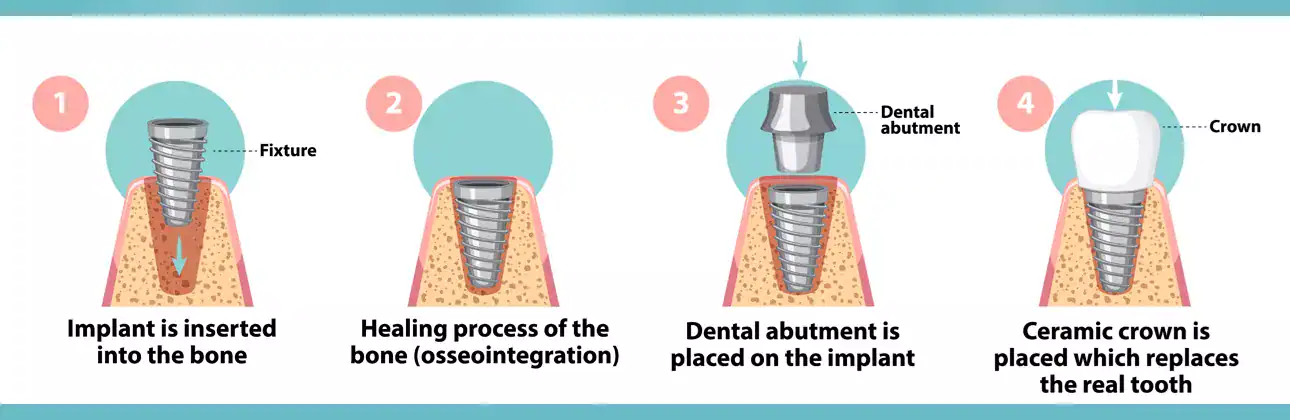
The dental implant procedure typically occurs in multiple stages. First, under local anesthesia or sedation, the titanium implant post is surgically inserted into the jawbone. The site is then allowed to heal for several months while the bone fuses with the implant—a process called osseointegration. This fusion creates a stable, long-lasting foundation. Once healing is complete, an abutment is attached to the implant, connecting the post to the final restoration. Finally, a custom crown, bridge, or denture is secured to the abutment. The entire process may take several months, but each step is carefully planned to maximize success and comfort. Modern dental technology, including computer-guided placement, has made the procedure more precise, predictable, and minimally invasive than ever before.
Cost of Dental Implants
Cost is a common consideration when deciding on dental implants. While implants generally have a higher upfront cost compared to bridges or dentures, they are a long-term investment in oral health and quality of life. A single implant—including surgery, abutment, and crown—can cost anywhere from 3,000 to 6,000 pounds, depending on location, materials, and complexity. Additional procedures, such as bone grafts or sinus lifts, may increase the cost. However, when considering the durability and minimal maintenance of implants—often lasting decades or a lifetime—they can be more cost-effective than repeatedly replacing dentures or bridges over time. Many dental offices offer financing plans or payment options to make implants more accessible to patients.
Recovery and Healing Process
Recovery from dental implant surgery is generally smooth, though some swelling, bruising, or discomfort is normal in the first few days. Pain can usually be managed with over-the-counter medication or prescription pain relievers as recommended by your dentist. Maintaining good oral hygiene and following post-operative instructions are crucial for proper healing and preventing infection. Most patients can resume normal daily activities within a few days, though strenuous activity should be avoided for a short period. Full osseointegration—the process of bone fusing with the implant—can take several months, during which time patients should follow follow-up care schedules to ensure successful integration and stability of the implant.
Diet and Lifestyle Adjustments During Recovery
During the initial recovery phase, eating soft foods and avoiding hard, sticky, or crunchy foods can protect the surgical site and promote healing. Drinking plenty of water and avoiding tobacco or alcohol can further enhance recovery. Once the implant is fully integrated, patients can enjoy a normal diet without restrictions, which is one of the major advantages of implants over dentures, which often limit food choices. The return to full function not only improves nutrition but also enhances overall comfort and quality of life.
Potential Risks and Complications
Like any surgical procedure, dental implants carry some risks, though complications are rare. Potential issues include infection, nerve damage, sinus problems (for upper jaw implants), or implant failure if osseointegration does not occur properly. Careful planning, precise surgical technique, and diligent aftercare dramatically reduce these risks. Most complications are manageable and can be addressed by your dental professional. It’s important to discuss any concerns during your consultation and follow all post-operative instructions to ensure a smooth recovery and successful long-term outcome.
Long-Term Maintenance
Dental implants require the same care as natural teeth. Regular brushing, flossing, and professional cleanings help maintain gum health and prevent peri-implantitis, an infection that can affect the tissues around an implant. Routine dental visits allow your dentist to monitor the implant and surrounding bone, ensuring longevity and functionality. With proper care, implants can last decades or even a lifetime, making them one of the most durable and reliable tooth replacement options available.
The Benefits That Make Implants Worth It
Despite the higher upfront cost and multiple steps, dental implants offer benefits that other tooth replacements simply cannot match. They restore chewing power, maintain jawbone health, prevent shifting of adjacent teeth, and provide a natural look and feel. Patients regain confidence in their smile and enjoy improved speech, comfort, and quality of life. Implants also eliminate the need for adhesives or removal, unlike dentures, and avoid compromising healthy teeth, unlike bridges. In terms of both functionality and aesthetics, implants are the closest alternative to natural teeth available today.
Who Should Consider Dental Implants?
Dental implants are ideal for anyone missing one or more teeth who seeks a permanent, reliable solution. They are particularly beneficial for patients frustrated with dentures or bridges, or those experiencing bone loss or facial changes due to missing teeth. Even patients with previous dental challenges can often qualify, thanks to advanced techniques like bone grafting and 3D planning. Consulting with a qualified dentist or oral surgeon is the first step in determining candidacy and developing a personalized treatment plan.
The Bottom Line
Dental implants are more than just a cosmetic enhancement—they are a functional, health-preserving solution that transforms lives. While the procedure requires careful planning, a moderate financial investment, and a healing period, the long-term benefits far outweigh these initial considerations. Implants restore natural function, maintain jawbone and facial structure, enhance appearance, and improve confidence and quality of life. For anyone missing teeth, understanding the procedure, costs, and recovery process makes it clear that dental implants are an excellent, often life-changing option.