
The Cost vs. Value Question
One of the first questions most people ask when considering dental implants is: “Are they really worth the cost?” It’s true, dental implants require a higher upfront investment than dentures or bridges. A single implant can cost several thousand dollars, depending on your location, dentist, and the complexity of your case. But looking at dental implants purely through the lens of price misses the bigger picture. Implants aren’t just a tooth replacement—they’re a long-term solution that protects your oral health, preserves bone structure, restores function, and enhances your appearance. When you factor in longevity, comfort, and overall health benefits, the value often far exceeds the initial cost.
Longevity That Outshines Other Options
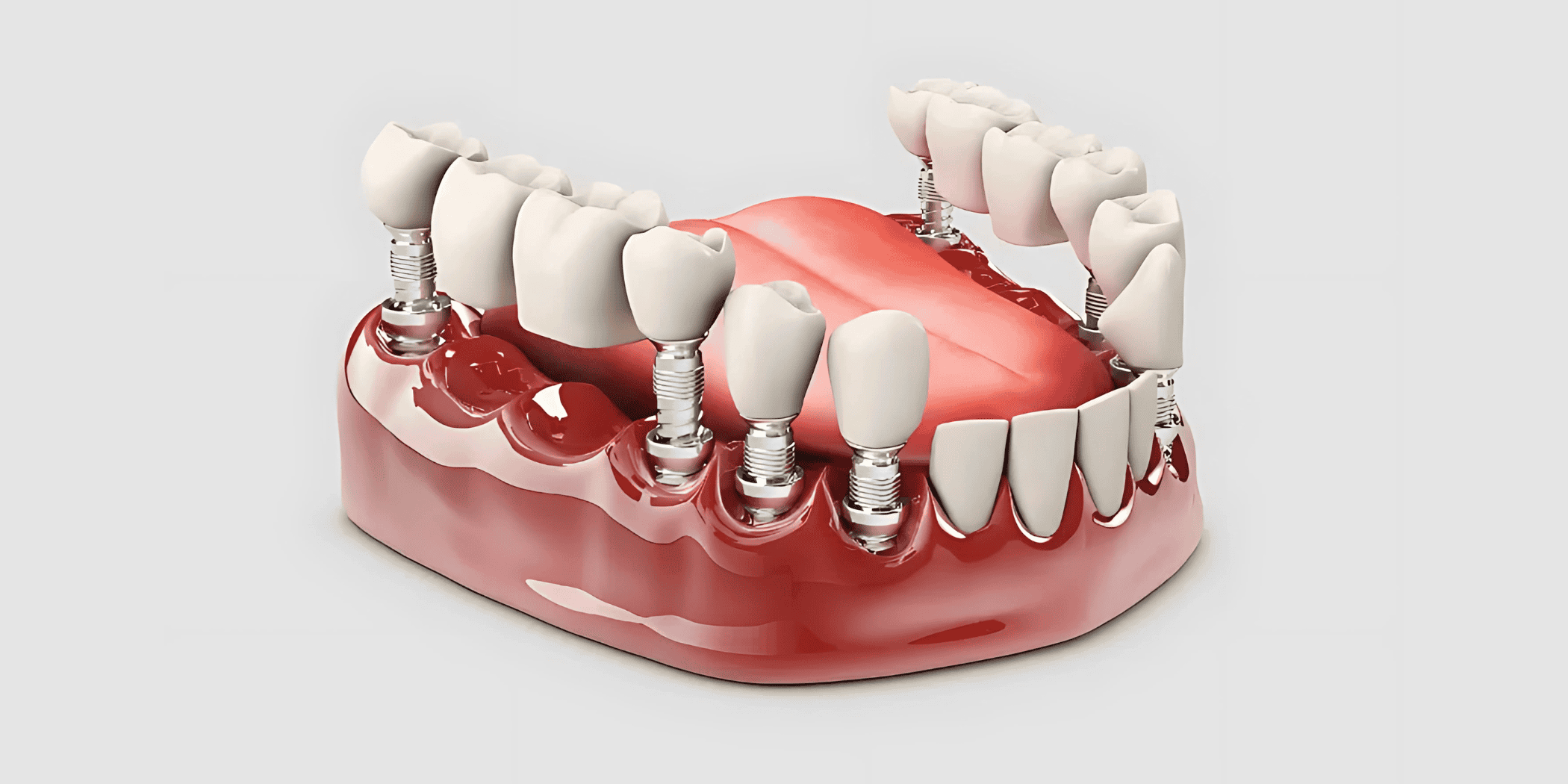
Unlike dentures or bridges, which may need repairs, relining, or replacement every 5–15 years, dental implants can last decades—and often a lifetime—with proper care. The titanium post fuses with your jawbone, creating a stable foundation that doesn’t wear down over time like other restorations. This long-term durability means you’re investing in a permanent solution, rather than a temporary fix that will require repeated dental work and associated costs. In essence, dental implants are the solution you pay for once but benefit from for decades.
The Health Benefits Beyond the Smile
Dental implants do more than fill a gap—they actively protect your oral and overall health. When a tooth is missing, the jawbone in that area begins to deteriorate due to lack of stimulation, which can lead to sunken facial features and further tooth loss. Implants act like natural tooth roots, stimulating the jawbone during chewing and preserving bone density. This not only helps maintain facial structure but also keeps your bite stable, preventing uneven wear on remaining teeth and jaw problems. No other tooth replacement method offers this combination of functional and structural benefits, which is a huge factor in their long-term worth.
Restoring Function and Comfort
Think about what you use your teeth for every day: eating, speaking, laughing, even kissing. Missing teeth or poorly fitting dentures can compromise these basic functions, creating daily frustration. Dental implants restore nearly full chewing power and feel just like natural teeth. You can bite into apples, steak, or nuts without hesitation. Speech becomes clearer, and there’s no worrying about slipping or shifting teeth while talking or eating. The comfort and function implants provide aren’t just convenience—they restore quality of life. This daily, tangible improvement is a big part of what makes them “worth it” to so many patients.
Aesthetic Value and Confidence Boost
The benefits of dental implants extend far beyond physical health—they impact confidence and self-esteem too. Missing teeth or dentures can make people feel self-conscious, affecting social interactions and even professional life. Implants, however, look and feel like natural teeth. They are custom-designed to match the color, shape, and alignment of your smile, often making them indistinguishable from real teeth. This cosmetic benefit alone is transformative for many people, allowing them to smile, laugh, and speak without hesitation. Investing in dental implants is as much an investment in your self-confidence as it is in your oral health.
Protecting Surrounding Teeth
Unlike dental bridges, which rely on neighboring teeth for support, dental implants stand alone. This means you don’t need to alter healthy teeth to anchor a restoration, preserving natural tooth structure. By filling the gap completely, implants also prevent surrounding teeth from shifting into the empty space—a common problem that can cause bite misalignment, jaw strain, and further tooth loss. Protecting the health of your remaining teeth adds another layer of long-term value to choosing implants.
The Long-Term Financial Perspective
While dental implants may seem expensive upfront, they can be cost-effective over time. Dentures and bridges often require maintenance, relining, or replacement, and the cumulative cost over the years can rival or exceed the price of implants. Implants, in contrast, are designed to last decades with minimal maintenance, meaning fewer dental appointments, fewer repairs, and less overall expense in the long run. When you factor in the functional, aesthetic, and health benefits alongside the potential savings from avoiding future complications, implants often make financial sense in addition to being medically beneficial.
Modern Techniques Make Implants Accessible
Some patients hesitate because they assume implants are painful or complicated. While dental implants do involve a surgical procedure, modern techniques, anesthesia, and digital planning make the process far less intimidating than it used to be. Recovery is typically smooth, and the procedure has a high success rate—over 95% in most cases. Even patients who were once considered poor candidates due to bone loss or other factors may now be eligible thanks to procedures like bone grafts or sinus lifts. The increased accessibility and predictability of implants further enhance their value.
The Psychological and Lifestyle Impact
Replacing missing teeth with implants can have profound psychological effects. Many patients report feeling liberated, confident, and more willing to engage socially after getting implants. Eating, speaking, and smiling feel effortless, which can dramatically improve daily life and mental well-being. Unlike temporary or removable solutions, implants integrate seamlessly into your life, offering freedom and peace of mind. When you consider the emotional and lifestyle benefits, dental implants are often considered priceless by those who experience the transformation.
Potential Drawbacks and Considerations
Of course, dental implants aren’t perfect for everyone. They require adequate jawbone density, good oral hygiene, and a commitment to regular dental visits. The initial cost can be a barrier for some, and the process involves several appointments over a few months. However, when weighed against the long-term benefits—durability, function, aesthetics, and oral health—the drawbacks are generally minor and manageable. Most patients find that the initial investment and temporary inconvenience are worth the lifetime benefits.
When Implants Make the Most Sense
Dental implants are particularly worth it if you’re looking for a permanent solution to missing teeth, want to restore full function, protect your jawbone, and avoid compromising surrounding teeth. They’re also ideal for patients who have struggled with dentures or bridges and want a more natural, long-lasting alternative. Essentially, if you value comfort, confidence, and long-term oral health, dental implants are one of the smartest investments you can make.
The Takeaway
So, are dental implants worth it? For most people, the answer is a resounding yes. They are not just teeth—they are a comprehensive solution that restores function, protects oral health, enhances appearance, and boosts confidence. While they require an upfront investment and a short healing period, the long-term benefits far outweigh the initial cost or inconvenience. Dental implants provide a lifetime of value in ways that bridges, dentures, and other replacements simply cannot match. For anyone seeking a permanent, reliable, and life-changing solution to missing teeth, dental implants are worth every penny.